A mental image of another being may appear,
of a being less fortunate.
Many attempts have been made to portray this,
but we are not that being.
Throughout history we have written of glories, of joys,
of certain harmonies.
But each of us, live in ways that allow us to ignore what we are not.
We the fortunate often live wrapped in our own stories.
Often we forget that things can get worse.
Or perhaps we see our apparent separation
as a justification for selfishness.
Thus, for hundreds of thousands of years,
human beings have committed countless acts of cruelty.
Thus we have ignored innumerable experiences of others.
But sometimes, in our minds,
a space opens for considering the other.
Perhaps starting with those close to us,
but often expanding further and further
toward what may not be so familiar.
How beautiful that is: human compassion.
Sometimes we see it in properly ethical medicine, in veterinary care;
sometimes in meditation,
sometimes in an attitude or a conversation,
sometimes in an initiative or a religion.
How beautiful it is when it overwhelms us,
when it truly and deeply moves us,
when it has no limits.
How beautiful it is when it manages to change opinions,
when it listens to science and logic.
And when it listens to science and logic,
it then notices tremendous magnitudes,
the true scale of what is ethically valuable.
Imagining a stone against the entire Himalayas.
-
No hay comentarios en In compassion
-
Puede aparecer una imagen mental de otro ser,
de otro ser menos afortunado.
Muchos intentos se han hecho para retratar esto mismo,
pero no somos ese ser.Durante la historia hemos escrito de glorias, de penas, de alegrías,
de ciertas armonías.
Pero nosotros, quienes habitamos otros reinos, vivimos de formas que nos permiten ignorar lo ajeno.Los afortunados vivimos muchas veces envueltos en nuestras propias historias.
Muchas veces no recordamos que puede ponerse peor.
O tal vez miramos nuestra separación aparente
como una justificación del egoísmo.Así, durante cientos de miles de años,
los seres humanos hemos cometido innumerables actos de crueldad.
Así hemos ignorado incontables experiencias ajenas.Pero a veces, en nuestras mentes,
se abre un espacio para la consideración del otro.
Tal vez empezando con las personas cercanas a nosotros,
pero muchas veces expandiéndonos más y más
hacia lo que tal vez no sea tan familiar.Qué cosa tan bella es esa: la compasión humana.
A veces la vemos en la medicina apropiada, en la veterinaria;
a veces en una meditación,
a veces en una actitud o una conversación,
a veces en una iniciativa o una religión.Qué bella es cuando nos sobrepasa,
cuando verdadera y profundamente nos mueve,
cuando no tiene límites.Qué bella es cuando logra cambiar los pareceres,
cuando escucha a la ciencia y a la lógica.Y cuando escucha a la ciencia y a la lógica,
entonces nota tremendas magnitudes,
el verdadero tamaño de lo éticamente valioso.El imaginar una piedra en contra de todo el Himalaya.
-
Sobre aquello en lo que nos fijamos, sobre qué es valioso, los objetos intencionales y las tiranías.
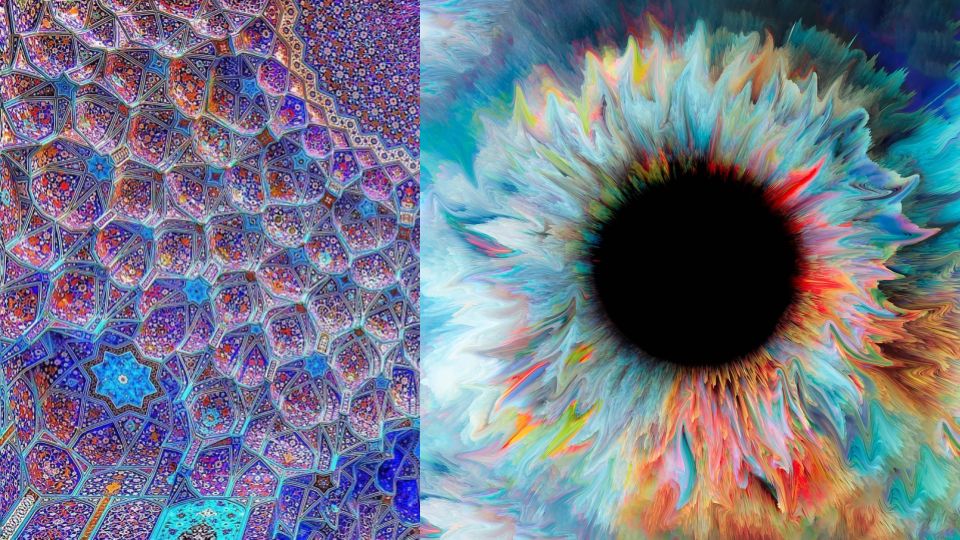
Hoy voy a hablar de qué es el valor y de qué es valioso.
La vida darwiniana en la tierra tiende en muchos casos a ser un proceso muy cruel, donde existen grandes cantidades de sufrimiento.
¿Qué se siente ser diferentes animales?
Seguramente el león pensará en qué comer.
¿Se sentirá libertad al volar como un ave?
Las ballenas seguramente viven en un mundo construido en base a su ecolocalización.
Algunos animales viven aterrorizados escapando, otros están sufriendo intensamente.
Los seres humanos compartimos mucho con otros animales y a la vez tenemos un lado intelectual y racional.
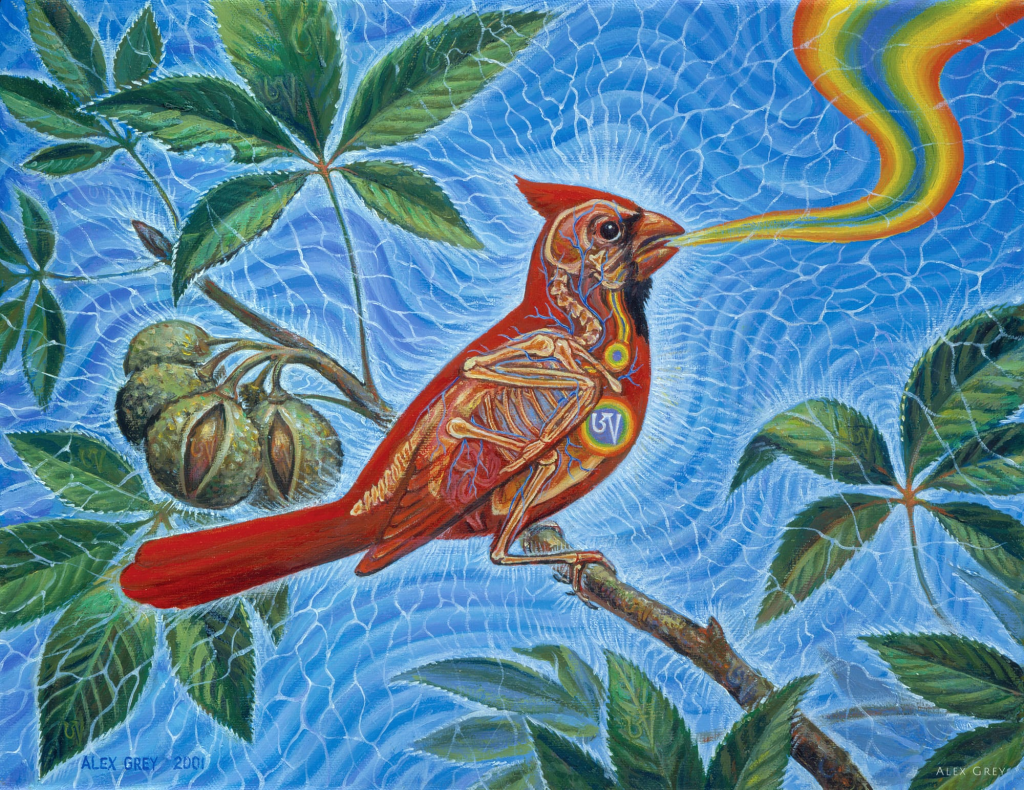
Todos los animales tenemos tendencias o fijaciones y estas nos mueven.
Pero existen contradicciones entre lo que diferentes animales consideramos valioso, diferentes “observadores” “observan” (notar las comillas, dejadas ahí para dejar un cuestionamiento sobre qué son los observadores) la misma situación de diferentes maneras. Entonces…
…¿Existe algo realmente valioso?
Desde la perspectiva del animal agonizante, su sufrimiento es verdadera e intensamente horrible, independiente de lo que cualquier otro ser pueda pensar, de la misma manera, el éxtasis profundo de un jhana es real.
De una manera se puede argumentar que todo el sufrimiento del universo es en realidad, «nuestro» (¿o es el nuestro «suyo»? ¿Hay realmente un yo?)
La física nos ha enseñado a ver la(s) «cosa(s)» como campo(s).

¿Y qué es el valor en estas experiencias?
Hemos tratado de entender la naturaleza del placer y del dolor de muchas maneras, la hemos relacionado, por ejemplo, con la activación de diferentes áreas del cerebro, el área tegmental ventral para el placer y el giro cingulado para el dolor son algunas de las que hemos encontrado.
Se ha notado que cuando experimentamos cosas que inducen sensaciones de bienestar o malestar, se activan estas áreas.
En el síndrome de Geshwind, un tipo de epilepsia de lóbulo temporal, las personas tienen experiencias extremadamente profundas y hermosas, que tienden a conducir a la hipergrafía, la hiperreligiosidad y a experiencias espirituales profundas. Todo esto explicado por una actividad neuronal anormal que se tiende a atribuir a otras causas.
Para entender el mundo de una manera adecuada, una de las ideas más relevantes es la del realismo indirecto de la percepción, aquello que experimentamos no es directamente el mundo externo (cf. realismo directo) sino una representación o simulación dentro de nuestras cabezas, una especie de diorama, basado en este mismo. Para hacernos una imagen de este concepto, podemos imaginar una especie de burbuja hecha de qualia que toma la forma de un mundo (aquí hablo más en detalle sobre este concepto). También a nuestra experiencia se aplica el realismo indirecto de la valencia, las cosas que percibimos como valiosas no lo son directamente, sino que su representación tiene una valencia.
Así nuestras representaciones tienen apariencias que no necesariamente reflejan el mundo externo. Por eso podríamos decir, los budistas hablan de una existencia cíclica en reinos de fijaciones, que forman una aparencia ficticia de la realidad desde su interior y por eso una de las tres marcas de la existencia según ellos es la insatisfactoriedad.

Cada experiencia tiene una determinada valencia, existe la valencia positiva, como la alegría, la negativa como la que tiene el dolor, está la mezclada, podemos sentir valencia positiva y negativa a la vez, o existe la neutral.
La valencia es interpretada usualmente de maneras diferentes a «esto es valencia» por nuestra experiencia. Aunque lo que está sucediendo en realidad es que hay representaciones, las cuales tienen diferentes valencias, se suele pensar que lo que activa diferentes estados de valencia es directamente bueno o malo.
La idea del estructuralismo de la valencia, propone que lo que determina esta misma en cada experiencia es su estructura.Si nos fijamos, podemos relacionar la estructura de diferentes sensaciones con qué tan bien o mal se sienten, cualquiera que sea su contenido y forma. Las sensaciones placenteras tienden a tener un flujo ininterrumpido y simétrico, mientras que las desagradables, tienen operaciones de rompimiento de la simetría, como reflexiones y torceduras.
Así de la mano del estructuralismo de la valencia, viene la teoría de la simetría de la valencia, las simetrías están detrás de muchas cosas en la física y está de acuerdo con aquello que podemos experimentar que estas mismas estén detras de la valencia.
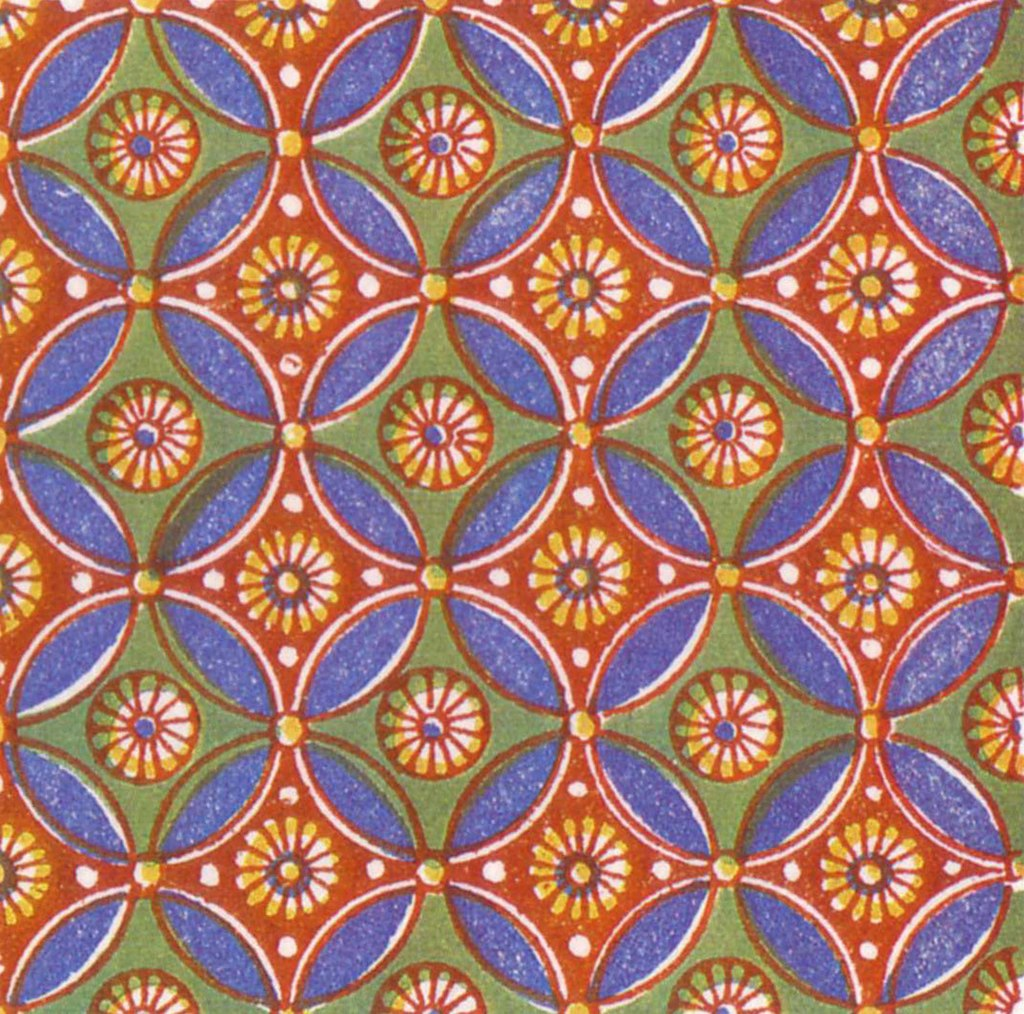
Hay 17 grupos del papel pintado.
Un buen ejemplo es el dolor corporal vs un masaje, pero se puede dar una argumentación más amplia, la teoría de la simetría de la valencia se puede explorar desde una gran cantidad de perspectivas, por ejemplo neurológicas y desde la física.
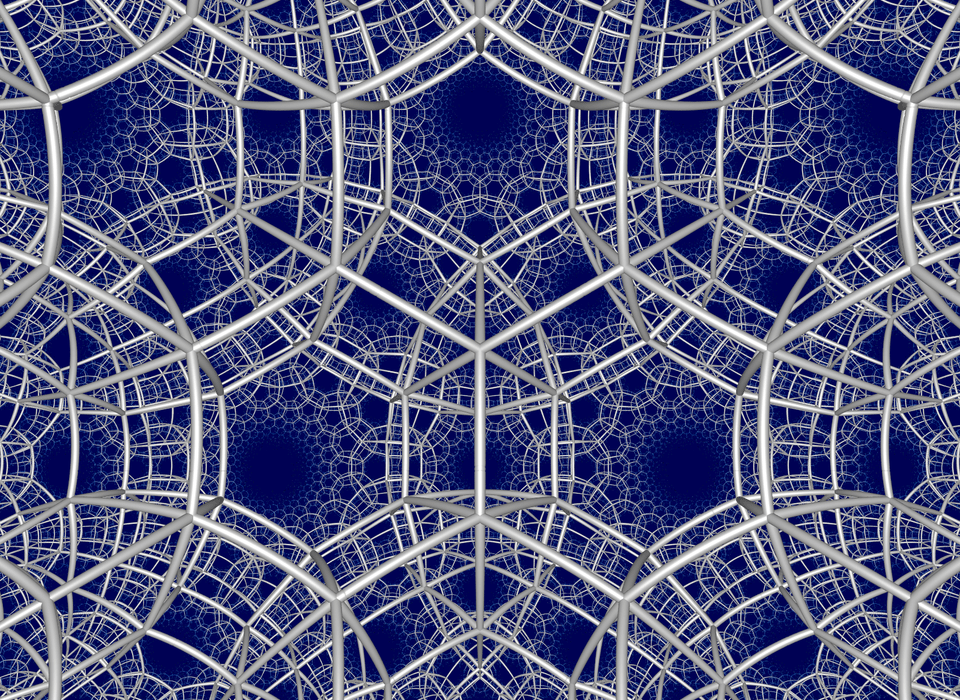
El verdadero valor está en la valencia.
Como mencionaba, aquello que percibimos como si fueran los objetos de nuestro interés no son directamente estos mismos sino una representación dentro de nuestras cabezas.
Lo que sentimos como el valor de estos mismos depende de la estructura de aquella representación.
Así para algún niño, un payaso se sentirá como una aproximación a la encarnación misma del mal mientras que un chocolate a estar hecho de partículas de delicia pura. Mientras que todo este valor sentido está en realidad codificado en su estructura
La valencia de estos objetos genera que tengamos intenciones frente a ellos, por eso los conocemos como objetos intencionales.

A veces se los conoce como los reinos de las fijaciones
El verdadero valor está en la valencia, podemos tener valor sin que este esté venga junto a objetos intencionales, existe, por ejemplo, una gran cantidad de estados de meditación donde esto sucede.
Por supuesto que mucho de lo que representamos como valioso es realmente necesario para vivir, para no sufrir y para tener aquellos hermosos estados de alta valencia, una muy gran parte de nuestra felicidad viene de tener una alimentación adecuada o de buenas relaciones sociales. Podemos encontrar formas nuevas de mirar este tipo de cosas.
Sin embargo hay objetos intencionales que prácticamente en consenso podemos ver como ilusorios, por ejemplo los de muchos estados de manía, o de psicosis. Si después analizamos con una epistemología apropiada muchas otras creencias humanas, vemos que tienen un estatus parecido.
Lo que tienen los objetos intencionales es una especie de tiranía sobre nuestras experiencias, que nos lleva a gastar, o deberíamos decir desperdiciar recursos en cosas que no son más que apariencias en nuestra pequeña representación del verdadero universo.
El (des)valor existe verdadera e independiente de «quien» lo experimente.
Más concorde a la realidad, está entender lo que existe como experiencias que hacen parte del campo universal (¿»quién» o «qué» somos?).
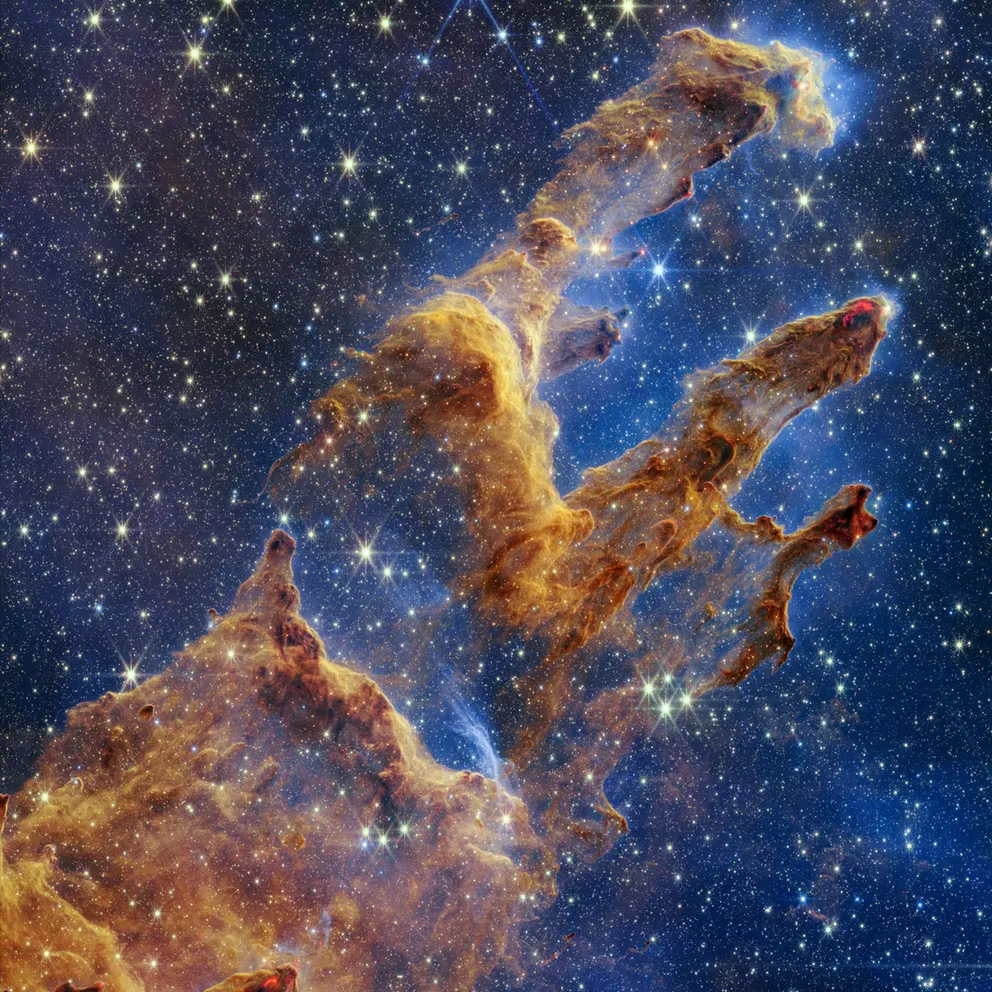
Si paramos de dejarnos llevar por estas apariencias…
las apariencias van muy lejos, dependiendo de la intensidad «del nivel de energía» en cada experiencia.
…y reconocemos que el bienestar está en la estructura, podemos encontrar una forma mucho más efectiva de mejorarlo.
Las apariencias tienden a hacer que nos aferremos a ellas y esto nos hace sufrir. Esto mismo puede ser entendido como una forma de expresar lo que se expresa en el camino a la liberación del sufrimiento budista.

-

Today I am going to talk about what value is and what is valuable.
Darwinian life on earth tends in many cases to be a very cruel process, where there are large amounts of suffering.
What does it feel like to be different animals?
Most likely the lion thinks about what to eat.
Does it feel like freedom to fly like a bird?
Whales most likely live in a world built on their echolocation.
Some animals live terrified and escaping, others are suffering intensely.
Human beings share much with other animals and at the same time we have an intellectual and rational side.
All animals have tendencies or fixations and these move us.
But there are contradictions between what different animals consider valuable, different «observers» «observe» (note the quotation marks, left there to leave a questioning about «what» observers are) the same situation in different ways. So…
…Is there really something valuable?.
From the perspective of the agonizing animal, its suffering is truly and intensely horrible, regardless of what any other being may think, in the same way, the deep ecstasy of a jhana is real.
In a way it can be argued that al the suffering of the universe is in truth, «ours» (or is ours «theirs»/»his»/»hers»? Is there really a self?).
Physicists have taught us to see «thing(s)» as field(s).
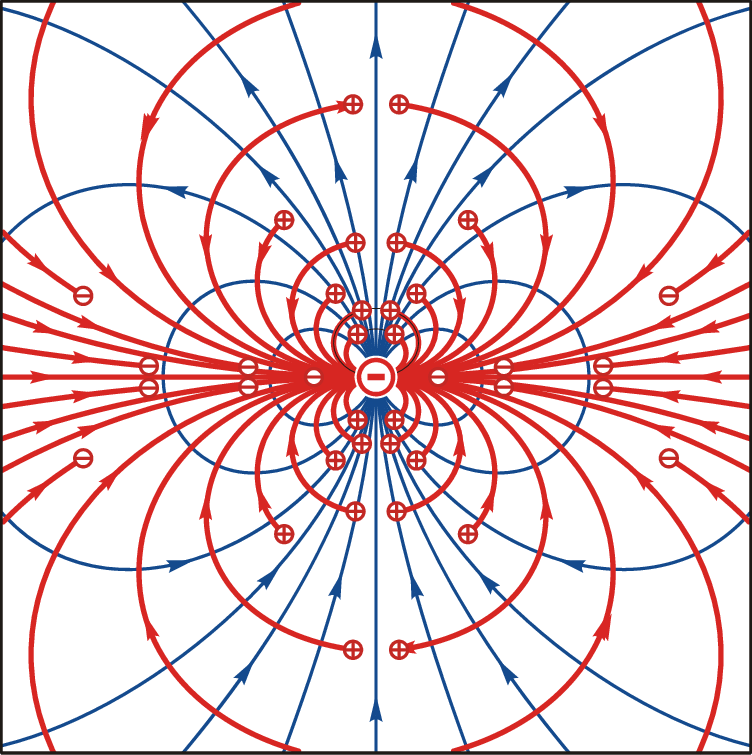
And what is the value in these experiences?
We humans have tried to understand the nature of pleasure and pain in many ways, we have related it, for example, to the activation of different areas of the brain, the ventral tegmental area for pleasure and the cingulate gyrus for pain are some of those that we have found.
It has been noted that when we experience things that induce feelings of well-being or discomfort, these areas are activated.
In Geshwind syndrome, a type of temporal lobe epilepsy, people have extremely deep and beautiful experiences, which tend to lead to hypergraphia, hyperreligiosity and deep spiritual experiences. All this explained by abnormal neuronal activity that tends to be attributed to other causes.
To properly understand the world, one of the most relevant ideas is that of indirect realism of perception. That which we experience we experience is not directly the external world (cf. naive realism), but rather a representation or simulation within our heads, a kind of diorama based on the external world. To form an image of this concept, we can imagine a kind of bubble made of qualia that takes the form of a world (I discuss this concept in more detail here). Indirect realism of valence also applies to our experience; the things we perceive as valuable are not directly valuable, but rather they have a valence.
Thus our representations have appearances that do not necessarily reflect the true nature of external world. That’s why we could say, Buddhists speak of a cyclical existence in realms of fixations, which form a fictitious appearance of reality from within, and that’s why one of the three marks of existence according to them is unsatisfactoriness.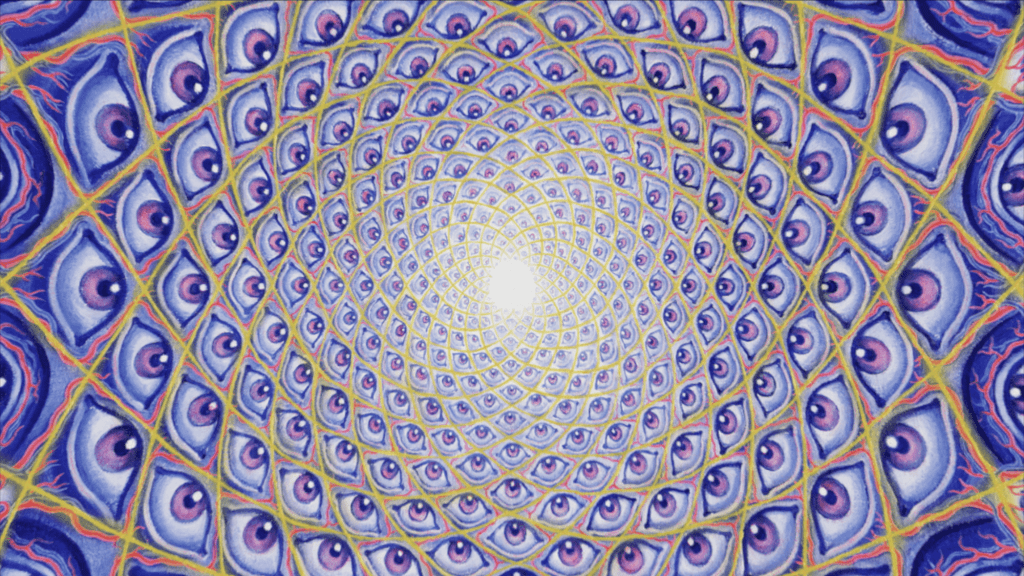
Each experience has a certain valence, there is positive valence, such as joy, negative as that of pain, there is mixed, we can feel positive and negative valence at the same time, or there is neutral.
Valence is usually interpreted in ways other to «this is valence» by our experience, even though whats actually happening is that there are representations, which have different valences, it is often thought that what activates different states of valence is directly good or bad.
The idea of valence structuralism proposes that what determines it in each experience is its structure.
If we look closely, we can relate the structure of different sensations to how well or badly they feel, whatever their content and form. Pleasant sensations tend to have an uninterrupted and symmetrical flow, while unpleasant ones have symmetry breaking operations, such as reflections and twists.
Thus, hand in hand with structuralism of valence, comes the symmetry theory of valence, symmetries are behind many things in physics and it is in agreement with what we can experience that these same are behind valence.
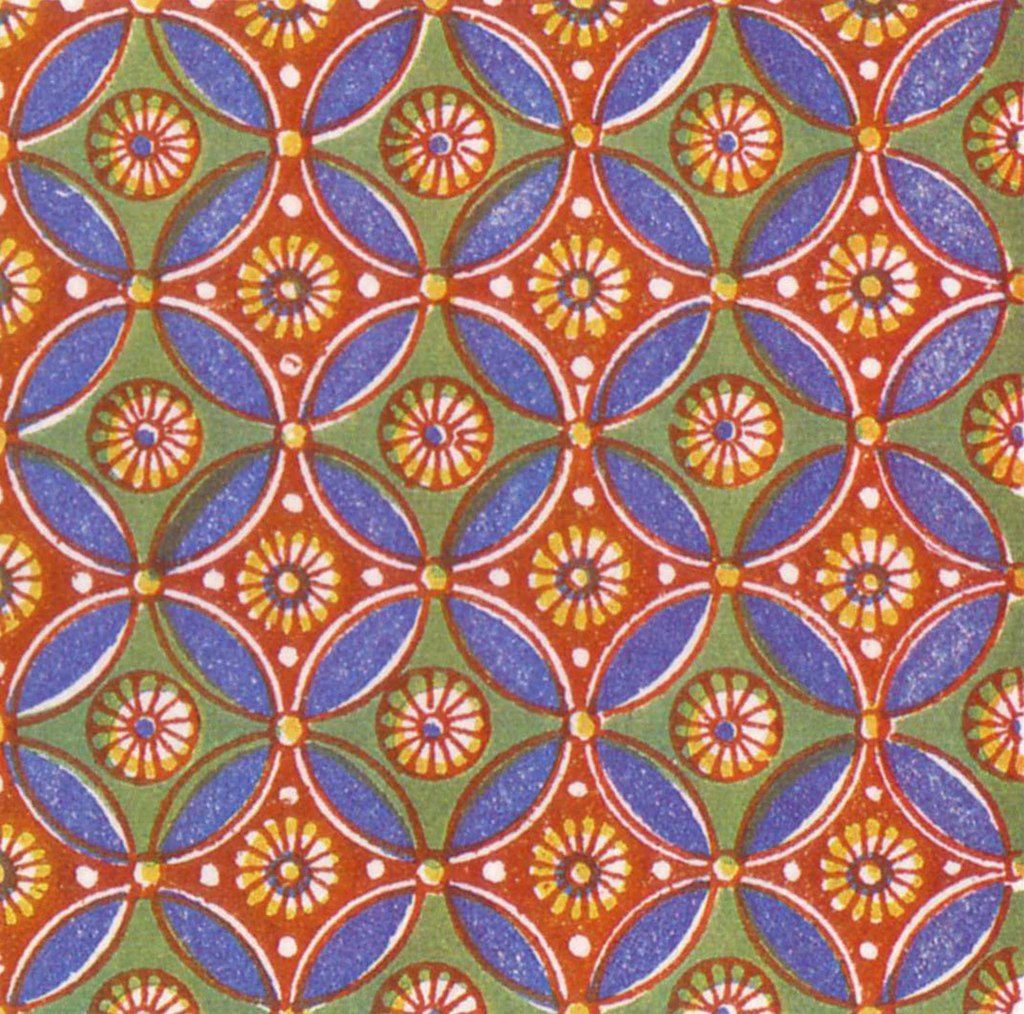
There are 17 wallpaper groups.
A good example is body pain vs a massage, but a broader argumentation can be given, the symmetry theory of valence can be explored from a large number of perspectives, for example neurological and from physics.

True value is in valence.
As I was mentioning, what we perceive as if they were the objects of our interest are not directly these same but a representation within our heads.
What we feel as the value of these same depends on the structure of that representation.
So for some child, a clown will feel like an approximation to the very incarnation of evil while a chocolate is made of particles of pure delight. While all this felt value is actually encoded in its structure
The valence of these objects generates that we have intentions towards them, that is why we know them as intentional objects.
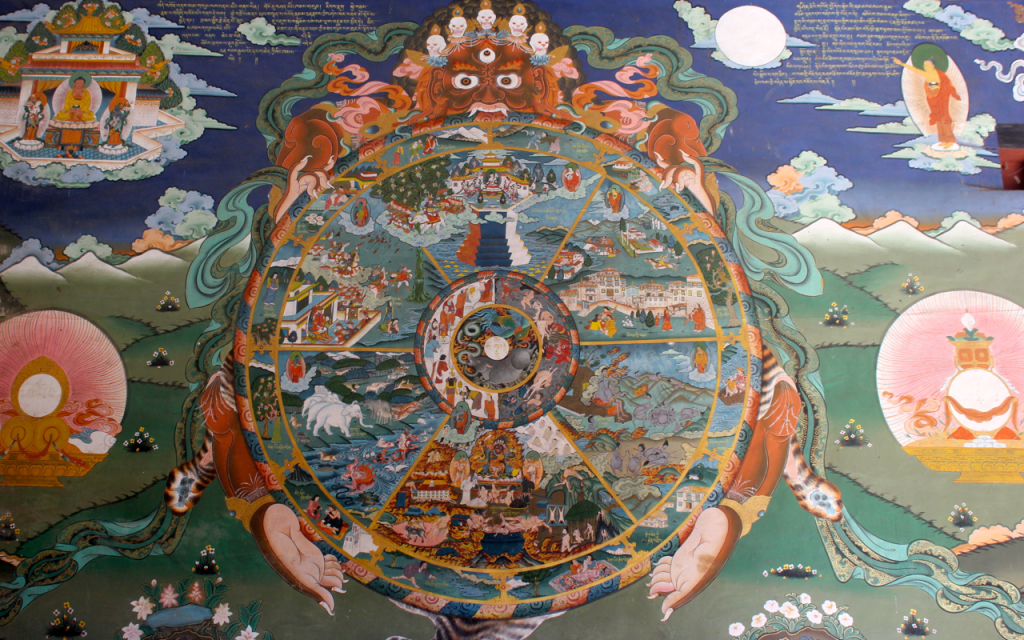
Sometimes they are known as the realms of fixations.
True value is in valence, we can have value without this coming bound to intentional objects, there is, for example, a large number of meditation states where this happens.
Of course, much of what we represent as valuable is really necessary to live, to cooperate, to not suffer and to have those beautiful states of high valence, a very large part of our happiness comes from having an adequate diet or good social relationships, for instance. We can find new ways to look at these kinds of things.
However, there are intentional objects that practically in consensus we can see as illusory, for example those of many states of mania, or psychosis. If we then analyze with an appropriate epistemology many other human beliefs, we see that they have a similar status.
What intentional objects have is a kind of tyranny over our experiences, which leads us to spend, or should we say waste resources on things that are nothing more than appearances in our small representation of the true universe.
(dis)value exists truly and independently of «who» experiences it.
More in agreement with reality, is to understand what exists as experiences that are part of the universal field («who» or «what» are we?).
If we stop letting ourselves be carried away by these appearances…
appearances go very far, depending on the intensity «of the energy level» in each experience.
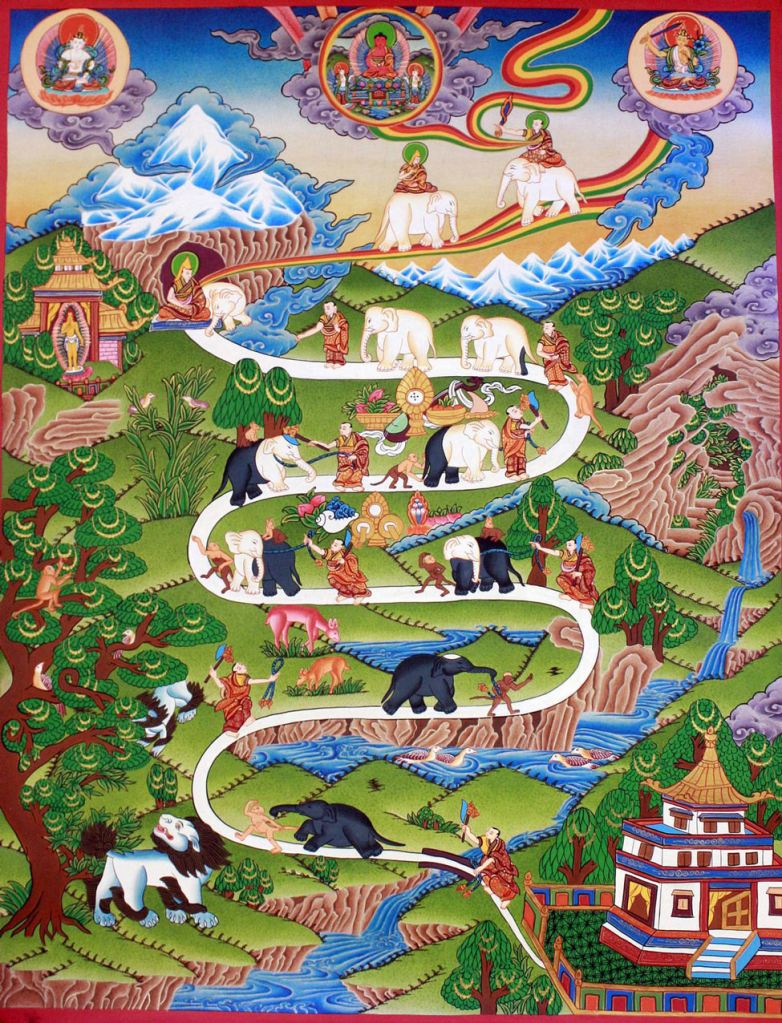
…and we recognize that well-being is in structure, we can find a much more effective way to improve it. Appearances tend to make us latch onto them, and that makes us suffer. This can be understood as a way to express what is also expressed in the buddhist path to liberation.
-
In this blog post, we will investigate and explore ways in which we can understand and conceive of what we are. We will see how, although we don’t always notice it clearly, we have implicit conceptions of reality; we will investigate how they manifest themselves and the effects they can have on us. We will discuss the importance of good epistemology related to the subject of personal identity as well as its more general importance. We will explore 3 views of personal identity proposed by Daniel Kolak: closed individualism («I am this individual / person / animal…»), empty individualism («I am this moment of experience»), and open individualism («all beings are actually one»). We will discuss about which of these visions fit the most with reality, argue about their ethical importance, talk about what they can tell us about existence and end by exploring interesting and perhaps useful ways in which we can look at and mix these visions.

Graffiti that I found at the universidad nacional «we are only one consciousness»
We have implicit conceptions.
If we are asked what our conception of something is, in many cases we will first imagine them in the form of words as well as explicit descriptions, «I believe that the earth is a planet that orbits around a star that we call the sun» «I believe that a star is a gigantic ball of plasma where fusion reactions occur that release energy». However, explicit descriptions are not the only way in which we experience conceptions about what something is; when we imagine, for example, a chair, there exists as part of our mental representation of it something (perhaps a texture? perhaps a vibe?), that tells us «this is a chair». In the same way, when we think of someone, there is something in their representation that says «this is [the person we are thinking about]». These ways in which our experiences communicate about their content, in which we conceive of things, have / transmit other characteristics as well, such as how much we like or dislike them, a relationship with other representations, etc.
As we will analyze later on, our implicit conceptions (as well as all of our understanding of reality more generally!) are extremely important ethically due to the effects that they can have on the way we act and the ways in which these are real and in many cases really negative or positive.
It is also important to keep in mind that in many cases, implicit conceptions that feel true, aren’t really so (something that we can in many cases verify beyond reasonable doubt).
Qualia, propositional qualia, ontological qualia.
This word refers to the range of ways in which experience presents itself. Experiences can be richly colored or bare and monochromatic, they can be spatial and kinesthetic or devoid of geometry and directions, they can be flavorfully blended or felt as coming from mutually unintelligible dimensions, and so on. Classic qualia examples include things like the redness of red, the tartness of lime, and the glow of bodily warmth. However, qualia extends into categories far beyond the classic examples, beyond the wildest of our common-sense conceptions. There are modes of experience as altogether different from everything we have ever experienced as vision qualia is different from sound qualia.
Definition of qualia, from the glossary of the qualia research institute
These «something», which tell us things about what we are representing in our experience, which hold implicit conceptions, are also a type of qualia. Andrés Gómez Emilsson calls them propositional qualia. There are propositional qualia that tell us «mundane», «day to day» things, but in the same way there are propositional qualia that go deeper (and a great variety of them), that contain information of our implicit conceptions about the nature of reality and of who we are, etc. Andrés calls this type of qualia, ontological qualia.
At the most basic level, an ontology is an account of what is real and what exists.
Definition of ontology, from the same glossary.
If we ask ourselves the question of who we are, answers emerge then in the form of these ontological qualia. Perhaps I feel that I am Arturo, that I am my body, that I am the moments that I remember, that I will be the moments of my future, we identify with something. There is a very wide range of possible ways to conceive of what we are and to feel it.
How do different ideas about the fundamental nature of reality feel? Is everything atoms? Is everything fields? Is everything qualia? Is everything transformations that can be done to zero? How can we not to suffer because of our ontologies? In this meditation on ontologies Andrés Gómez Emilsson explores these issues.
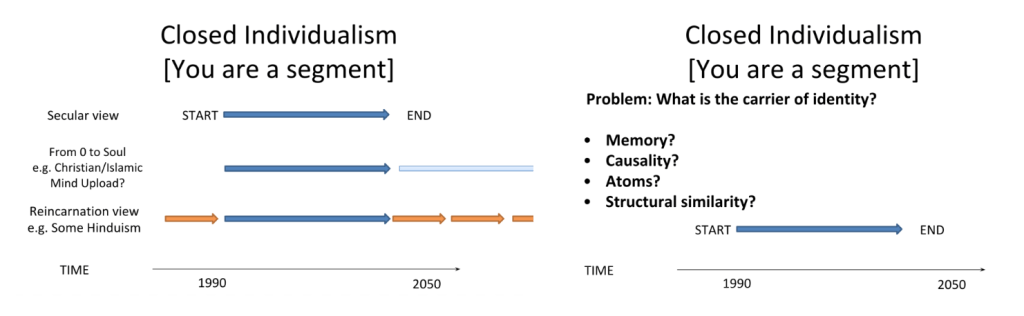
Our ancestors were selected by evolution to mostly identify with the «individual» (or let’s call it person, or animal, etc.) that they «are» (or believe they are), causing this same type of qualia to exist in most current human beings. We run an egocentric representation of the world in our heads. There usually exists in each moment of experience a feeling that says «I am this person». Daniel Kolak called this view of personal identity «closed individualism«. You are a segment, you start to exist when you are born and you stop existing when you die (or after that you continue existing in the afterlife or reincarnation, etc.). However, as we will explore in greater depth later on, there are a great number of problems with this view of personal identity (for example, what is our identity «carrier»? why would the physical systems that we are become fundamental entities or natural kinds?).
Epistemology is very important.
Epistemology is the branch of philosophy that studies the nature, origin and limits of knowledge.
Epistemology asks what knowledge is, how it is acquired, what justifies beliefs and how it can distinguish between those that are true and those that are not. Epistemology seeks to understand the foundations of human knowledge and wants to develop criteria to evaluate the validity of knowledge claims in various fields, from science to metaphysics. In order to truly and appropriately understand anything, it is essential that we approach it with a good epistemology. If we do not approach it with it, we will simply get lost and believe that something is what it really is not. Epistemology is like a map and instructions (instructions such as, for example, the scientific method or logic) that guide us towards generating appropriate models of reality.
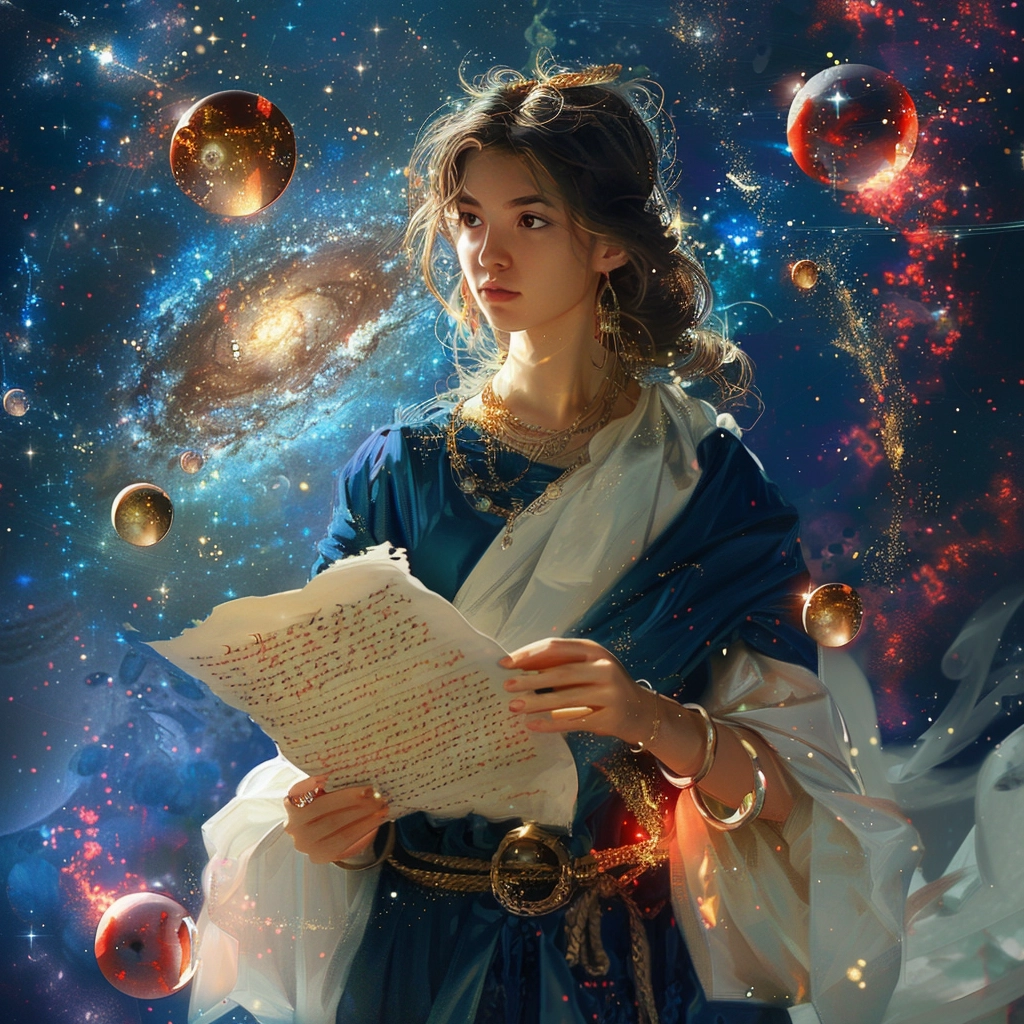
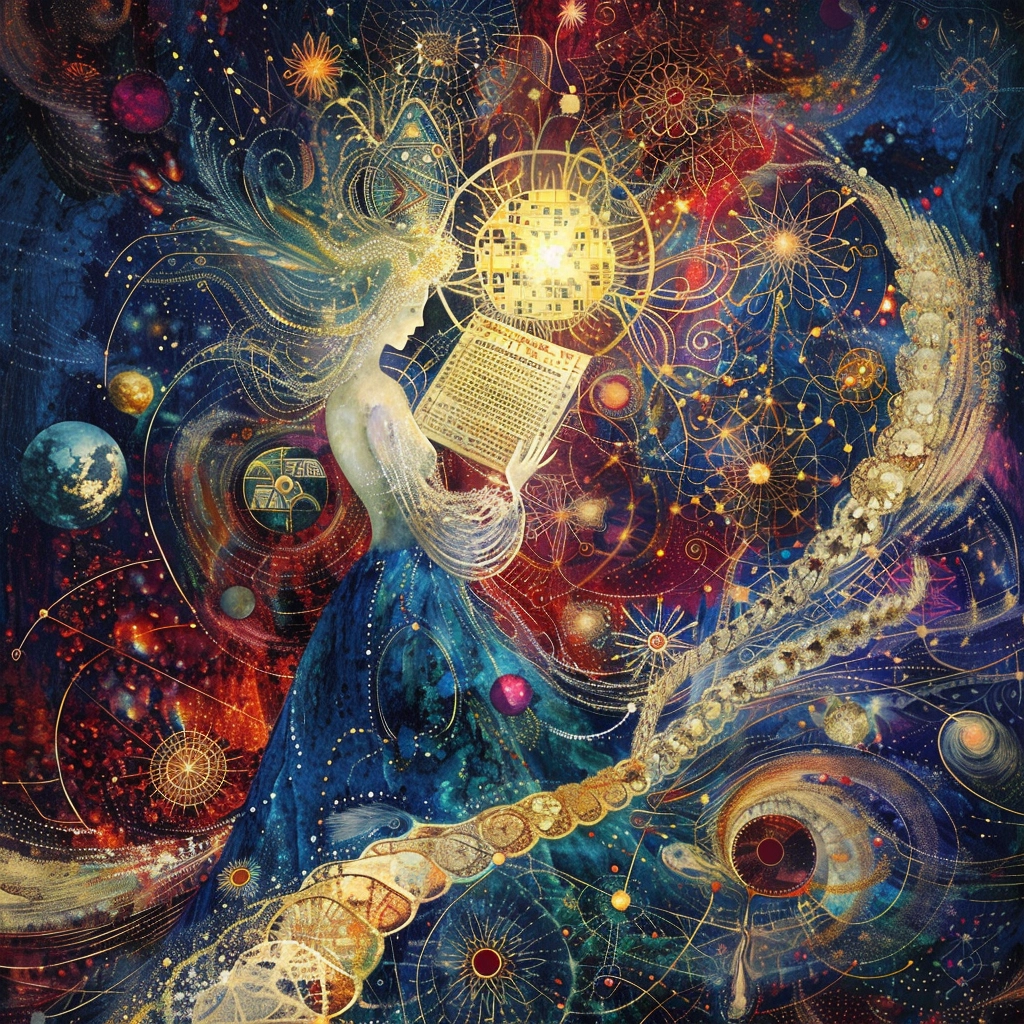
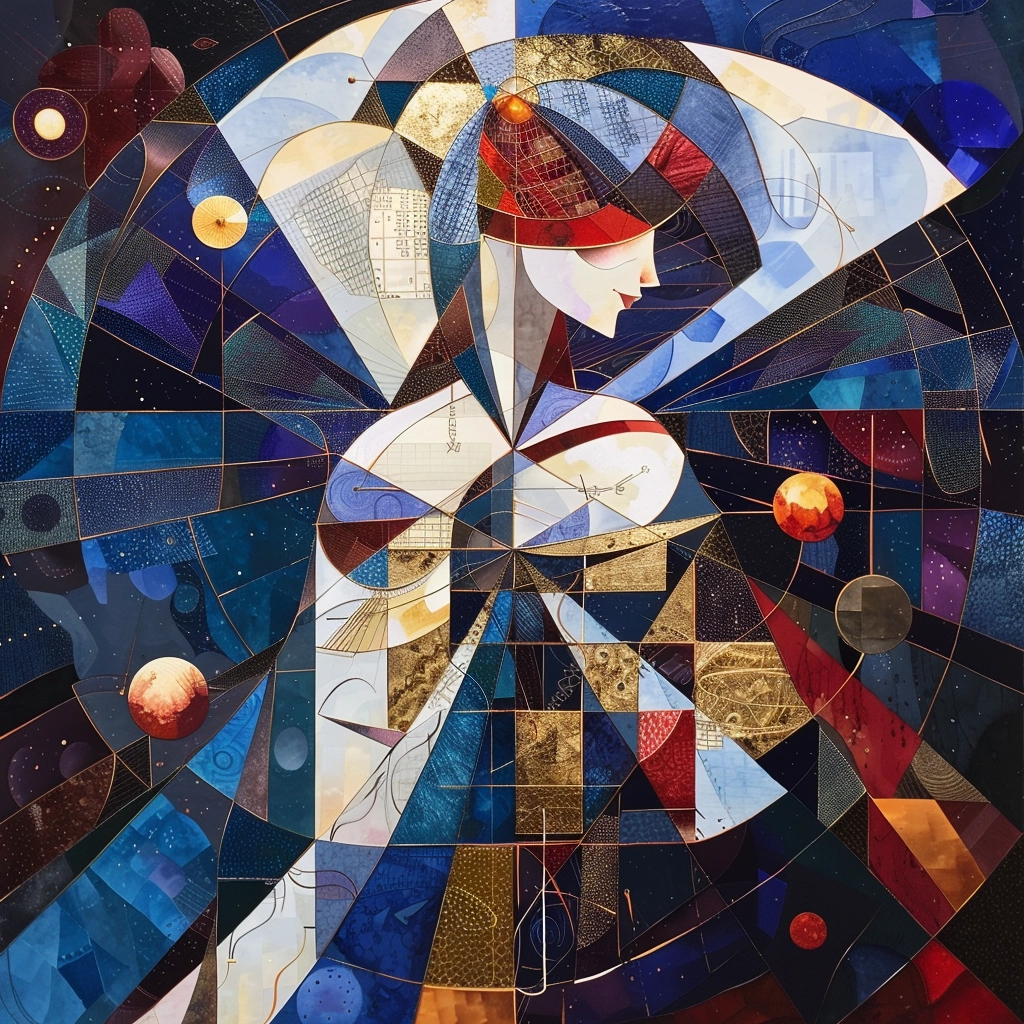
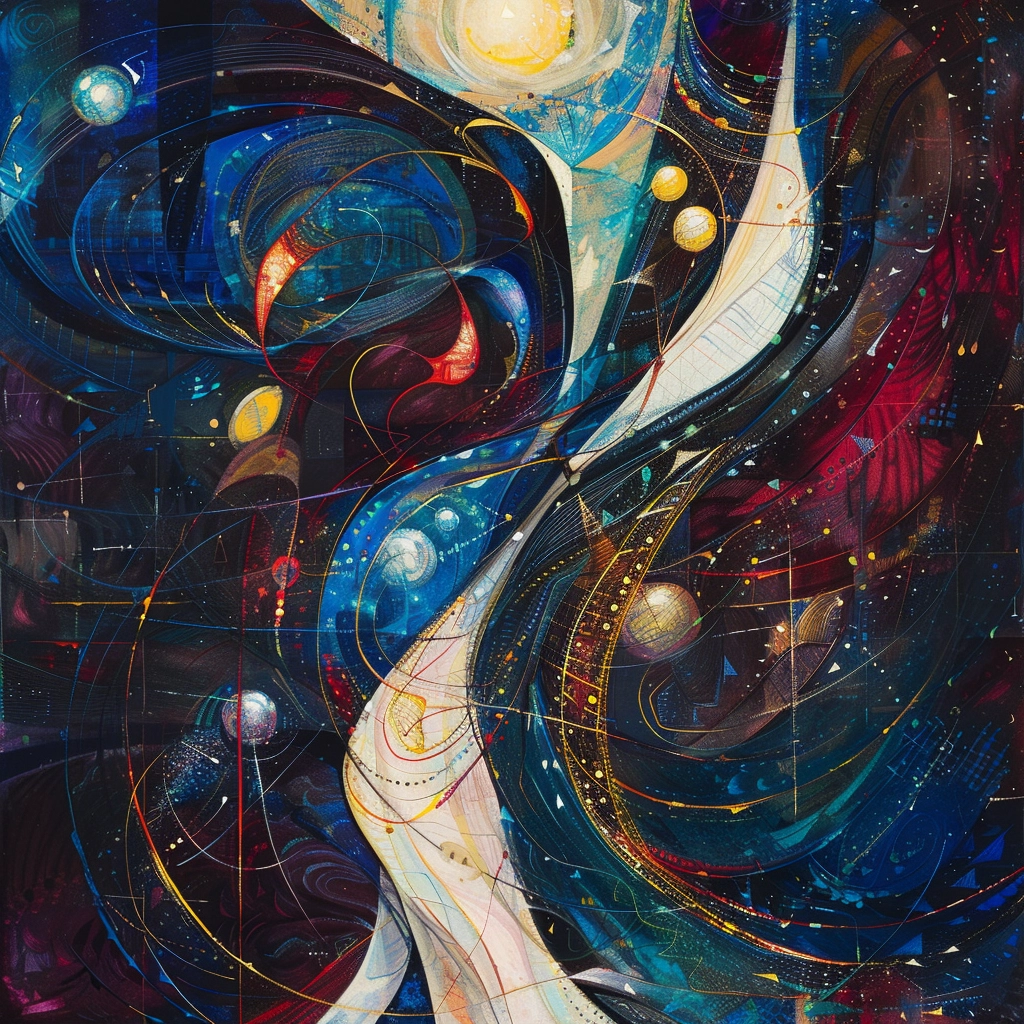
Images of the goddess of epistemology. She loves epistemology and truth. She recognizes the amazing power that good epistemology has to improve our conditions and looks in awe at this fact. She tries to find intelligent ways in which we can get closer to what is true. She always carries with her a spirit of doubt and does not settle comfortably into beliefs. She tries to find logical inconsistencies and fallacies (which, using tricks, appear and feel as if they were correct), she looks for them in order to solve and heal them with kindness. She loves mathematical proofs and physics experiments. She likes the idea of the purple pill.
The universe and it’s principles are, have been, and will always be there, regardless of our personal aesthetics and beliefs.
The universe follows several principles that shape it, these principles can guide us to find the true nature of reality. Many of them center around things that in a way have great beauty in their simplicity and their patterns. For example, we can derive the conservation laws of a physical system with Noether’s theorem, which tells us that these are obtained from various symmetries. If a system is invariant under translational symmetries then linear momentum is conserved; if it is invariant under rotations, angular momentum is conserved; if it is invariant under temporal translations, then energy is conserved. The standard model of particles is also derived from symmetries.
I say all of this to argue that the way in which we derive the physical constants is perhaps pointing to the fact that, in a way, the universe is not arbitrary and «whatever we imagine», there is something real to discover and understand and it follows precise principles and patterns. In a way, the nature of the universe is similar to the fact that 5+5=10.
When we think about the universe we are thinking about something real. Although what we experience is representations of it, these same representations are referring to something truly existent, it simply «is there» regardless of what we think about it. This same principle applies to our reasoning about personal identity, of course.
«it is what it is»
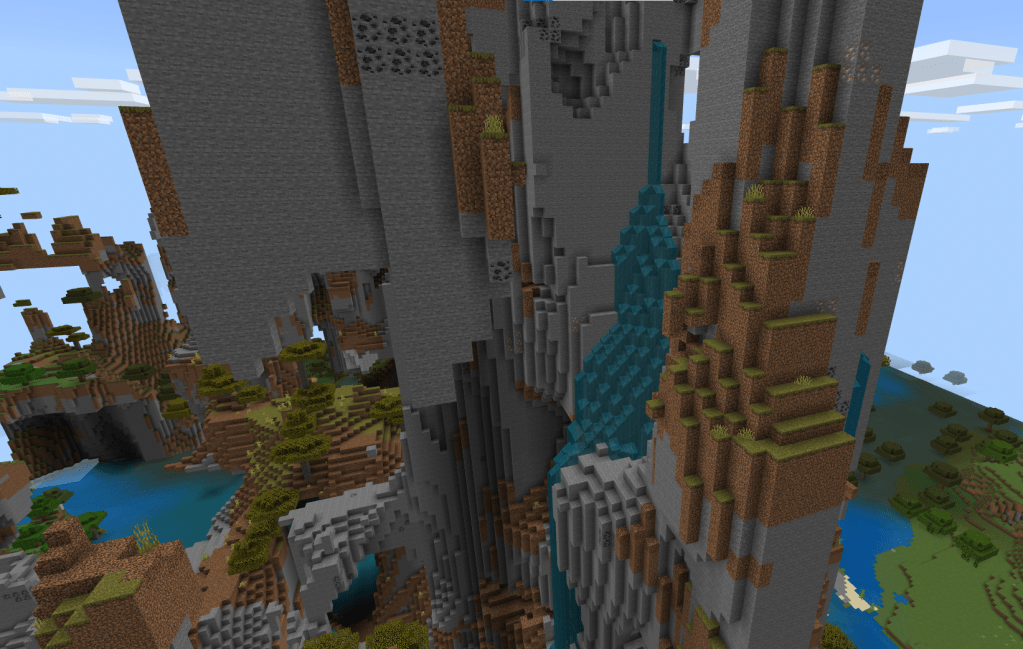
Water in minecraft has «impossible» behaviors, it can expand and flow infinitely from a single or very few sources, something that real water cannot do. This is possible because minecraft water is not true water but code running on transistors that acts as if it were water, in the same way, we run «programs» / models / ideas in our representation of the universe that although can be felt as extremely true, really are not. A good epistemology allows us to distinguish which of these «programs» point to an external truth and which do not.
Indirect realism of perception, we are moments of experience that adopt the human form and empty individualism.
A very good place from which we can begin to ask ourselves and explore possibilities about what we really are is to analyze the structure of our experience, the way in which it behaves and the ways in which it can behave in exotic states. This importance of exotic states, could we say, follows the same pattern as the fact that, in order to understand many physical phenomena, we analyze their behavior in extreme situations (or at least different from the usual ones of «room temperature»), such as very low or very high temperatures, etc.
Many times, in altered states of consciousness, changes occur in what we implicitly conceive as the external world or as a «direct connection» with it. Exotic geometric patterns can be generated, changes in colors, changes in shapes (not only two or even three dimensional), there can be alterations in sounds and their textures, changes in bodily sensations, there can be synesthesia (for example, experiencing visual qualia based on stimuli that would usually generate auditory qualia) and much more from a very wide variety of exotic effects. The ways in which we can play with the structure of our experience and discover how our brain represents reality are not limited to those induced by psychoactive substances. The clearest example is the states so different from our daily life that we can achieve with meditation. Another interesting example is autostereograms, which allow us to understand how the sensation of depth in our visual field is not due to a direct connection with the outside world, but is generated by our brain through «tricks» that can ultimately be explained by the physics of our representation of reality. In autostereograms, the information that allows our brain to generate an image with depth is encoded on a two-dimensional surface. We can see this image by unfocusing / relaxing our eyes until they settle into a position that allows us to see it.
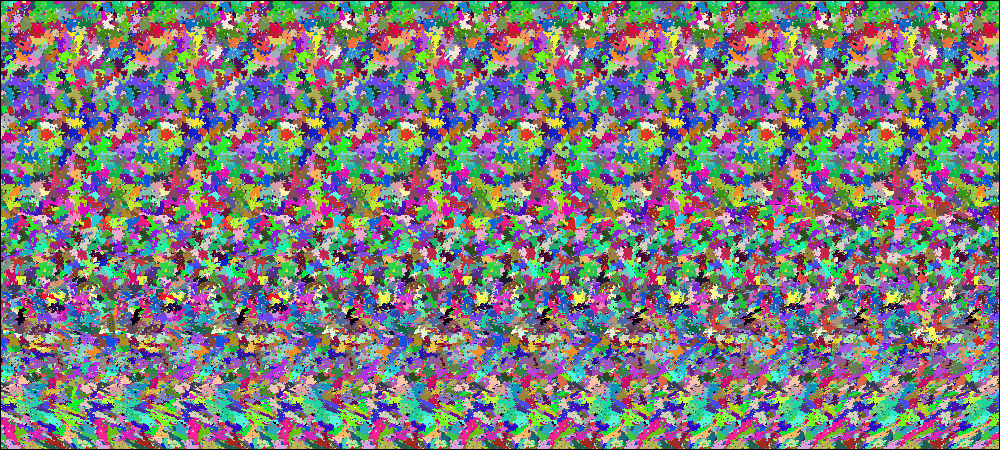
Autostereogram of a lobster (to see the hidden image we can unfocus / relax our eyes until they settle in such a way that the image with depth is seen)
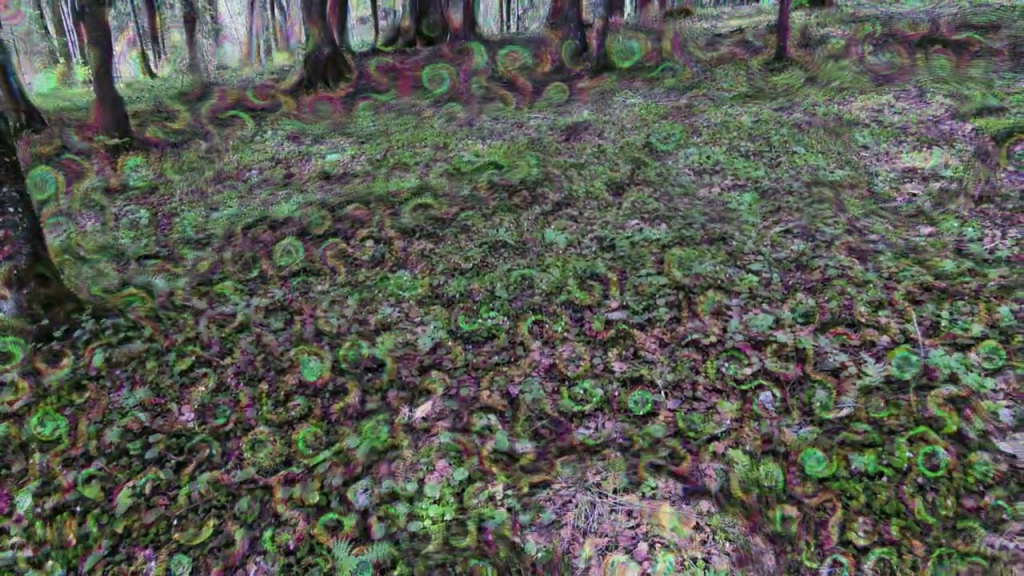
forest synesthesia by symmetric vision
In many cases, it reaches the point where our experience ceases to be a representation of the world around us and of our self and becomes something else. We could say that it begins to act as a physical system now more independent of the inputs it receives through the senses and of the conditioning that usually gives it its shape, something like that we can see in this replication. There is a very wide variety of very strange states in which we experience extremely different things from our daily experiences: we can experience space without limits, we can experience hyperbolic geometry, and a further very large number of possibilities.
Probably in most human beings, there exists the implicit conception that we directly observe the world (a conception also known as direct realism of perception), that what we have in our visual field (at this moment most likely a technological device), in our hearing, in our proprioception, etc. Is directly the external device, the sound of voices, our body or is anything else that has a representation within our experience. However, if we think about it carefully, the fact that our experiences can be altered in such strange ways should generate a lot of confusion regarding this conception. What is happening? If we wanted to maintain direct realism of perception, we would have to generate very strange and implausible explanations. Are we generating hallucinations on top of our direct perception? But where are these hallucinations? Are we generating them only in the brain? But if so, why do we see them outside? Are we sending them outward? But if so, why don’t others see them?
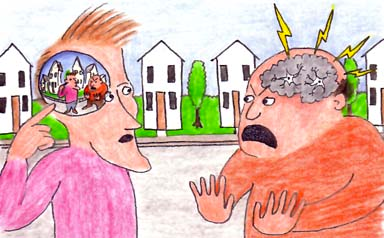
From cartoon epistemology
Understanding what we are experiencing not as a direct experience of the world but as a representation or simulation of it inside our brains (indirect realism of perception) gives an explanation in much more accordance with the nature of our experience and which can explain the effects of these altered states in a much clearer way.
We can thus understand our experience as moments of experience in our brain, which are physical systems made of experience, of qualia. These physical systems were selected during our evolutionary process to take forms that mimic the outside world, to have a sense of self, to have propositional qualia, to make computations, to have colors, tastes, smells, etc. The human body takes signals from the outside world through the senses and converts them into representations / simulations / «reflections» housed in each moment of experience. We could perhaps imagine it as if the brain «folded» or altered the field of qualia to give it all those useful forms that we experience and that we implicitly (and mistakenly) conceive as a direct connection with external reality. In various altered states then, this field takes other less «folded» and simpler forms, or gets folded in other ways, producing experiences very different from the usual ones.
Daniel Kolak calls the view of personal identity that conceives of what we are as moments of experience empty individualism, it differs from closed individualism in the fact that it does not conceive of what we are as the entire segment of our life but as discrete and separate moments of experience. We can see this conception of what we are as something much more coherent with reality than closed individualism, since we can interpret the feeling of unity of all the moments of a lifetime (and the feeling of the passage of time) as a structural characteristic of each of these and not as an ontological reality. According to empty individualism, we are not simultaneously various moments of experience but we are a single one «this one».
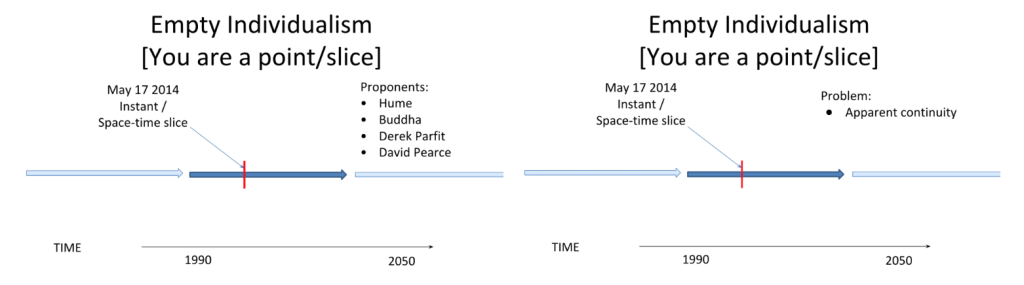
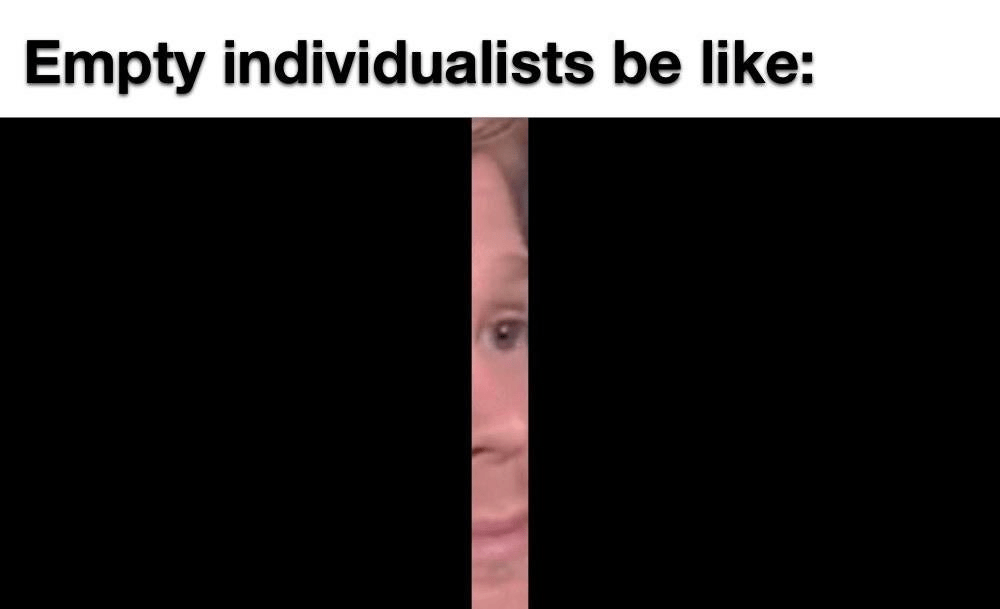
Considering ourselves as physical systems that are collections of moments of experience often has (and arguably should have) several effects on the way we act. For example, on our idea of forgiveness (although for this we really only need the part where we are physical systems), in a way the «person» who made the mistake is not the same one with whom we interact afterwards, so why shouldn’t we forgive? (of course this does not mean that we should not put effort into preventing those mistakes from happening again, in fact doing this is tremendously important).
Also the way in which we often rationalize the pain of someone who, for example, has a very bad experience with psychedelics, or any other type of bad experience, where we think that that «person» will benefit later, ceases to make sense, the extremely horrible moments of experience that occurred are simply there, they do not benefit and will never benefit.
Time
The idea of empty individualism (and ideas of personal identity more generally) is closely related to our conception of time. There are several ways to understand the ontological nature of time, these have great power to define the way in which we conceive of reality and in which we act. There are two particularly relevant ways of conceiving time, the first one is presentism, which is in accordance with our intuitive idea of time, only the fleeting present exists, the past is only a memory and the future only exists in our imaginations, and the second one is eternalism, which says that the past and the future are as real as the present, they are actually like «other places» only that instead of us being distanced from them only through 3 spatial dimensions, we are also distanced by a fourth: time. All moments exist, have always existed, and will always exist.
Arguments in favor of eternalism are usually based on Einstein’s relativity, in the past it was thought that there was a kind of metronome that would tell the entire universe what moment it was. However, with relativity, we discovered that different frames of reference in spacetime have different planes of simultaneity (something that may seem simultaneous from one frame of reference, from one «perspective», is not from another), there is no absolute line of the present, there is no single present. Models of relativity therefore model time and space as a four-dimensional continuum. A more precise argument based on relativity in favor of eternalism is the Rietdijk-Putnam argument.
Joining the idea of empty individualism with that of eternalism, we would then have an ontology of the universe where all moments of experience simply «are there», have always been there and will always be there, while being separate. Our notion of the passage of time can also be understood from an indirect realist perspective, we can understand our sense of it as a structural feature of each moment of experience. Andrés Gómez Emilsson calls this feature of our representation / simulation of the world the pseudo-time arrow and just like with the rest of its features, it can be subject to very significant alterations. For example, as explored in the article of the same name, we can experience moments of eternity, time loops, time dilation, among others.
Universal unity and open individualism.
The third view on personal identity described by Daniel Kolak is that of open individualism. In this view, the universe is aproximately conceived as a single structure of qualia, which is segmented at some points generating an illusion of separation. Each being would have moments of experience that although apparently are only their own, share the same universal essence. It can be argued that, if we are willing to accept that we do exist from moment to moment, we would then have to be all the moments of experience in the universe. This, due to the fact that it is extremely difficult to find a «just mine» identity carrier that distinguishes us from being to being (for example, all of the matter and energy that make up our bodies are constantly changing, without there being anything really constant in them). Thus then, we would share the true and only identity carrier, our shared essence, with the stars, with the electrons, with the animals, with the quarks and with everything else.
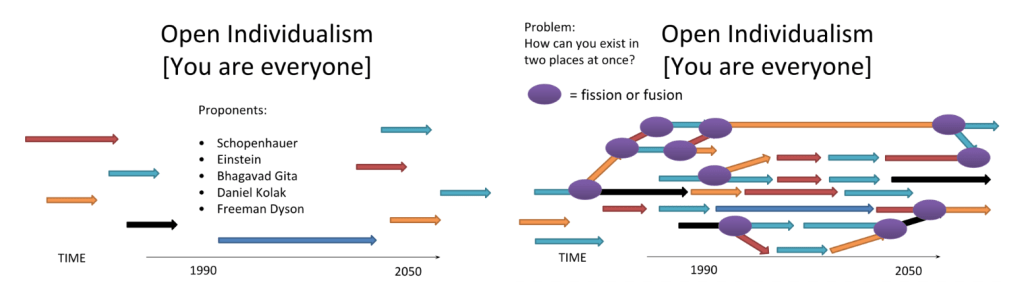
From physics we have not found anything that can act as such a unique identity carrier either. As far as we know, the moments of experience that we are, are simply another instance of the fields of physics, not something fundamentally different from them, a conception that agrees with the behaviors that our experience follows, which, like any other physical system, acts according to physical laws (for example, it has non-linear wave behavior). If we pay enough attention we can notice that this is the case for common sober states, although this tends to become much more evident in altered states of consciousness (whether produced by meditation, psychoactive substances or any other means).

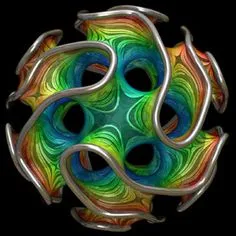
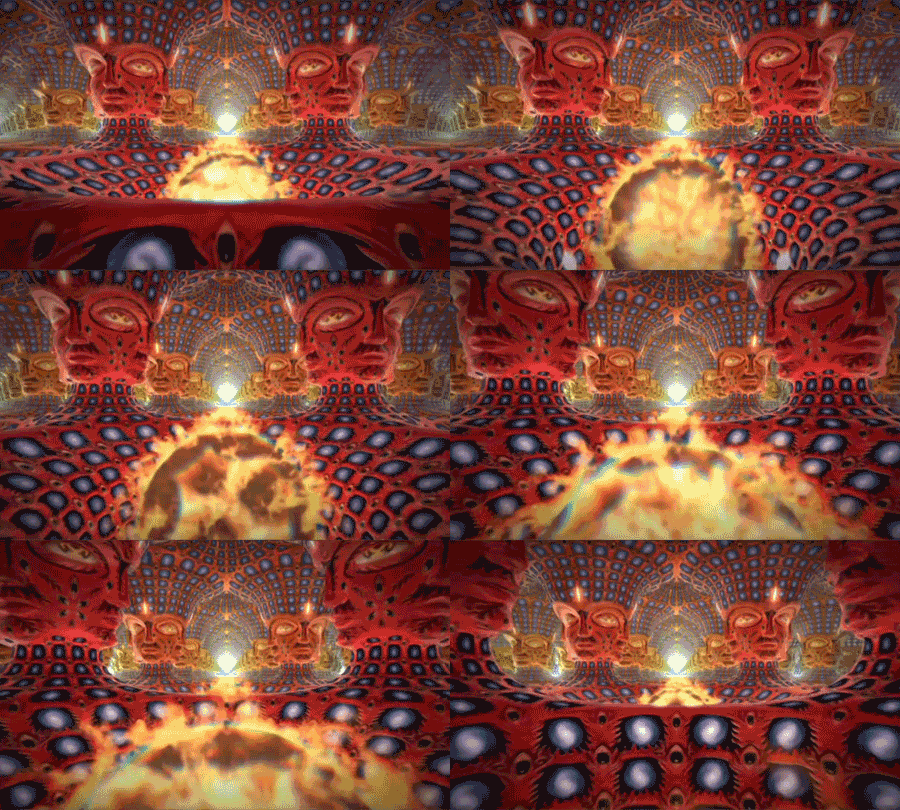
Moreover, there are ways of understanding physics that actually agree with this idea of universal unity, an example is the idea of the one-electron universe postulated by John Wheeler, which understands the entire universe as manifestations of a single entity. We would then be that entity.
Under Open Individualism, that one electron is you. From every single moment of experience to the next, you may have experienced life as a sextillion different animals, been 10^32 fleeting macroscropic entangled particles, and gotten stuck as a single non-interacting electron in the inter-galactic medium for googols of subjective years. Of course you will not remember any of this, because your memories, and indeed all of your motivational architecture and anticipation programs, are embedded in the brain you are instantiating right now. From that point of view, there is absolutely no trace of the experiences you had during this hiatus.
The above way of describing the one-electron view is still just an approximation. In order to see it fully, we also need to address the fact that there is no “natural” order to all of these different experiences. Every way of factorizing it and describing the history of the universe as “this happened before this happened” and “this, now that” could be equally inapplicable from the point of view of fundamental reality.
Andrés Gómez Emilsson writing about the one electron in this article.
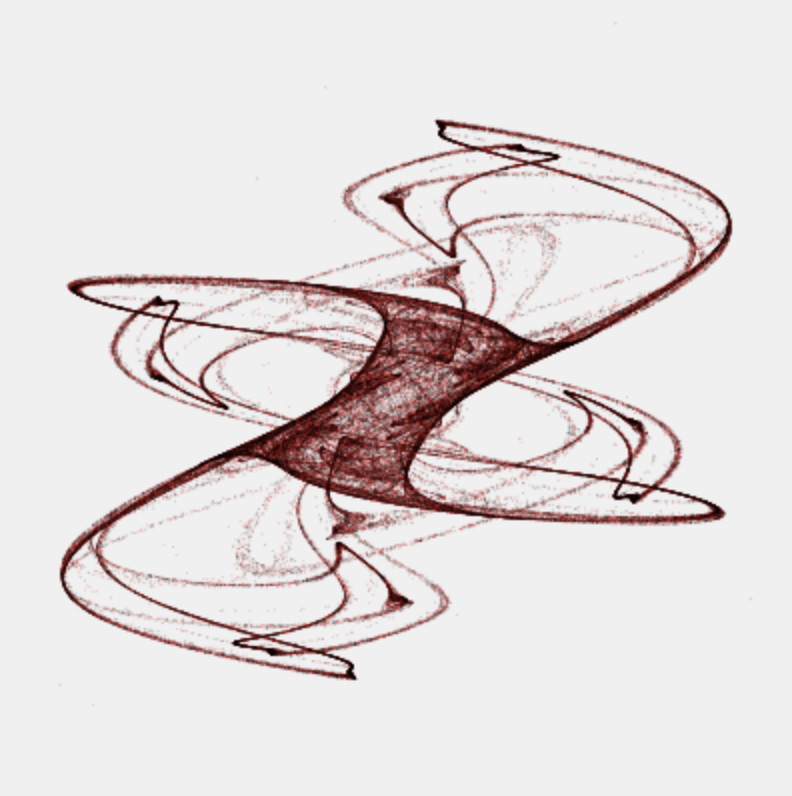
Joining the idea of universal unity with eternalism, we could then understand the universe as a single spatio-temporal structure or field which is composed of all moments of experience.
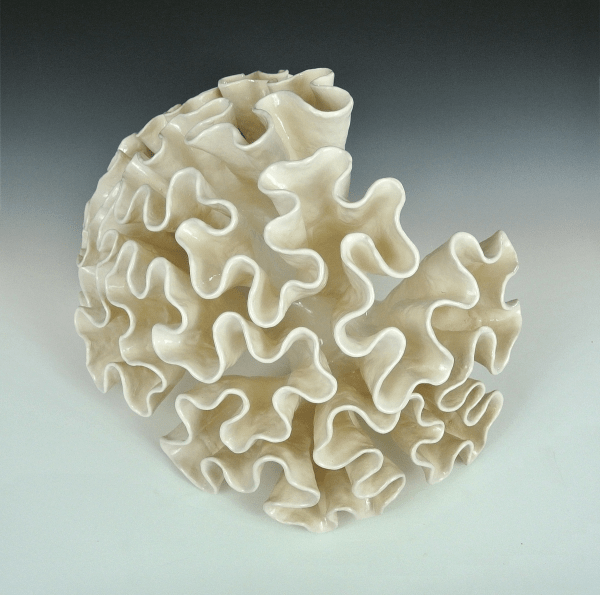
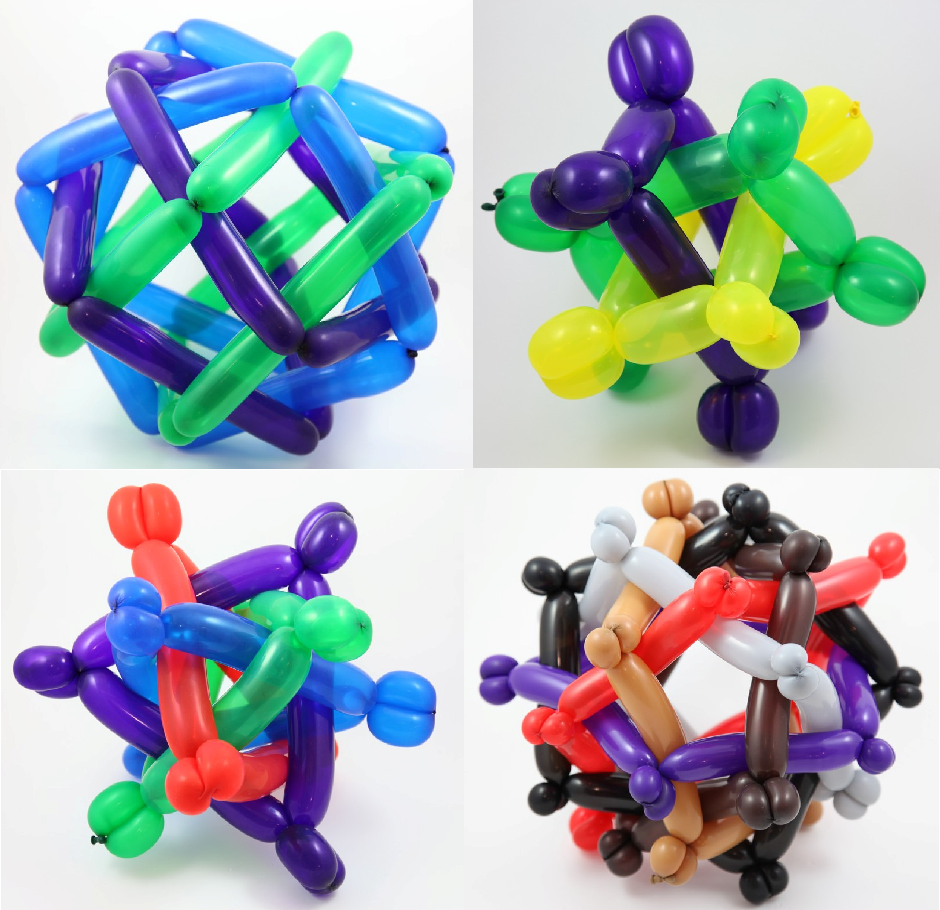
The solution to the boundary problem of consciousness (article on this topic published in Frontiers, more informal explanation) proposed by the Qualia Research Institute, seeks to understand the way in which this structure, understanding it as a field, is separated into discrete moments of experience as a result of its topology. To a first approximation, we could say that in the same way we can fold a clown balloon to form «monads», which remain part of the same balloon. The universal field gets separated into monads that make up each moment of experience, which exhibit holistic properties that give them computational benefits (a topic too long to cover in detail in this blog post). From this perspective, we can find a kind of harmony between the empty and open views of personal identity, in a way we are separate and in another we are part of the same thing.
When thinking about open individualism we also realize that suffering and its true and in many cases inconceivable horror is not something «separate» from us. In reality, all of it is in a way ours. Of course, on the other side of the coin, all the well-being of the universe is also ours. This fact together with a more detailed investigation of valence that makes us think about its true magnitudes, should motivate us to act.
Open individualism arguably has the ability to cause a before and after in the organization of the world, the feeling of unity together with the rigorous philosophical arguments in its favor have the potential to solve many of the coordination problems and other issues that afflict the world today.
Humans are not a «fundamental something»
Us humans tend to represent ourselves as «fundamental entities», it was much easier in our past for us to represent each other in this simplified way, instead of having a more detailed and realistic vision. Throughout our history there have been several ideas related to this type of conception, such as the idea of vitalism, or various conceptions of the soul. However, if we analyze in a more rigorous way what we know about ourselves through science, we realize that conceiving of ourselves as something fundamental (which usually goes hand in hand with closed individualism) is quite difficult to sustain. We know that our cells are physical systems with great complexity and that they come together to form emergent structures, such as organs, which nevertheless continue to be governed by the same laws of physics that apply on smaller scales (and on larger ones).
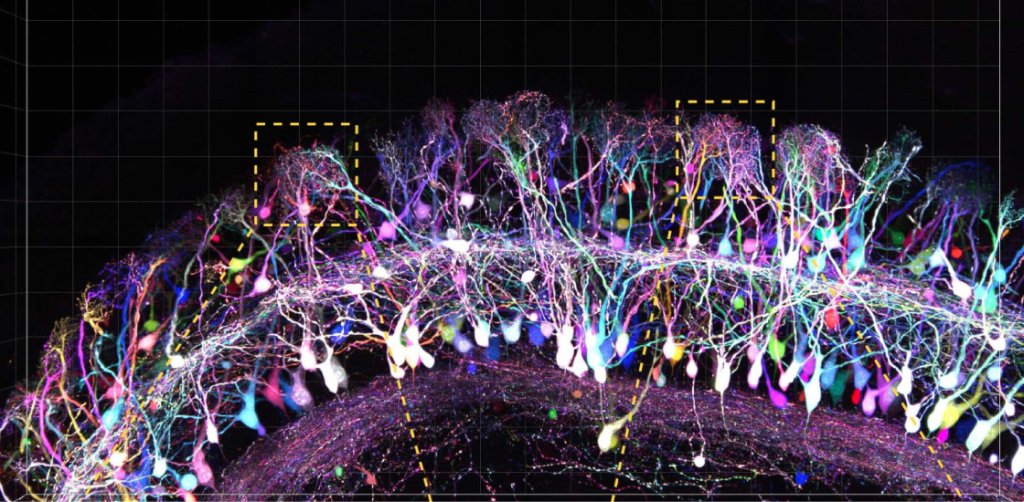
Thus we can understand ourselves as extremely complex systems that acquired their form during millions of years of natural selection, but which nevertheless continue to be governed under the same laws of the rest of the universe and are made «of the same stuff» as everything else. Perhaps our extreme rarity and our great intelligence make us «special» in some way, but ultimately we are simply also physical systems, just like neutron stars, just like volcanoes, just like oceans, just like black holes.
Another interesting way by which we can consider the nature of our existence is by taking a kind of «view from nowhere.» We could imagine ourselves looking at the universe to find there a small accumulation of matter, «Earth,» with a temperature and other conditions suitable for the fields of physics to organize themselves through a process of natural selection into systems of very great complexity «life.» Some organizations of these fields of physics formed «brains,» where they generated moments of experience that acted as representations / simulations of reality. In these representations, there was a sense of identification with the system they directed, with the «self». These types of systems, «conscious living beings», had a very large reproductive advantage. Within these beings emerged one with a particularly high intelligence, «humans», who are now discovering their true nature and the true nature of reality.
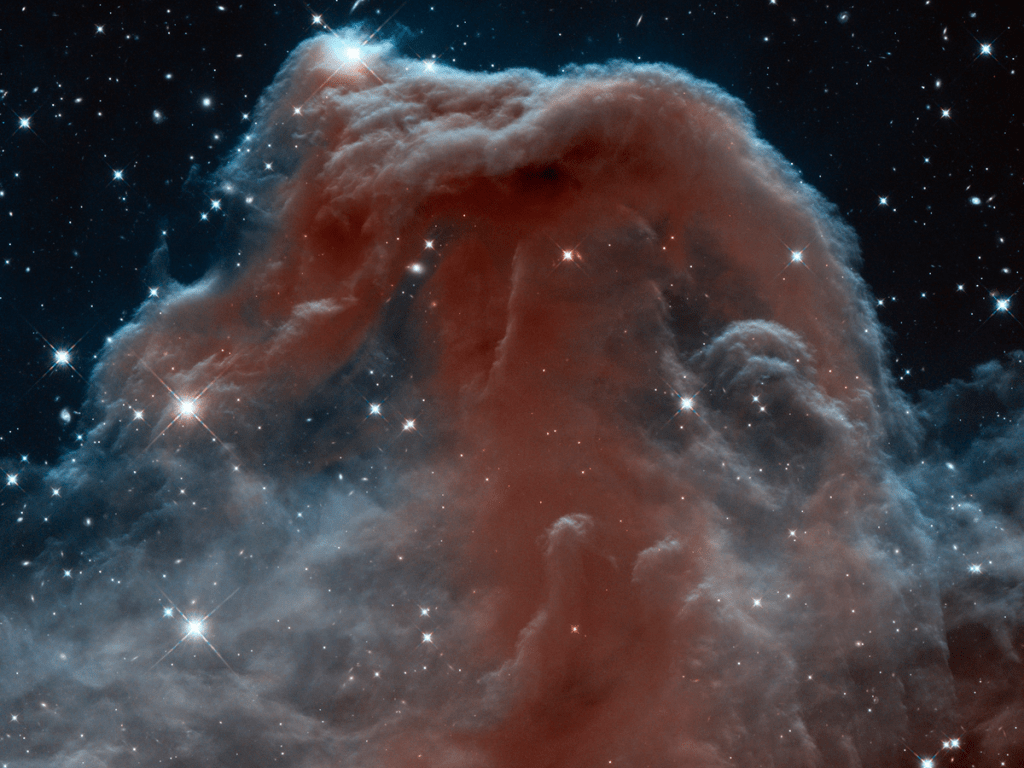
If the universe is a field of consciousness where are most experiences?
Why all of this matters
Almost certainly we all recognize, at some level, that acting based on wrong assumptions can be harmful. If someone, without having properly checked it, only guessing, wrongly assumes that an airplane is in a state suitable for safe flight, causing it to crash later, harming its passengers, the vast majority of us would accept that this was an unacceptable mistake and that it is necessary for the way in which we interpret the state of the plane to follow a rigorous method that leads us to the truth of its state.
In the same way, it makes a lot of sense to understand that at least some of the mistakes we can make about the reality of what we are and what existence is, can also end in seriously bad results.
Closed individualism, in many cases, causes us to act selfishly, carried away by what our experience appears to be, ignoring «others’» suffering, allowing it to continue to occur or even causing it. Taking an open or empty individualistic perspective (or a harmony between the two, or a harmony joining also aspects of closed individualism), we see the reality of external moments of experience, of our connection with them and of both their suffering and their pleasure under another lens. It also gives us a new sense of urgency.
«My joy is your joy and my suffering is your suffering»
«Do unto others as you would have them do unto you»
We can discover new perspectives, structures and ways of looking at these phrases.
The distinction that we make subconsciously between the self and the other, after considering open individualism, usually gets transformed we «see the soul behind». Now the intention of collaboration emerges.
Looking at it again from a kind of nowhere perspective, we can notice how what is really happening is that in some of these sections of the universe that act as representations of the rest of it, there are implicit conceptions that have no basis in something real and which cause damaging effects. However, now, progressively these sections of the universe (us) are beginning to realize the lack of basis for such conceptions, to let them dissolve and to let what they know about the nature of reality through good epistemology, build more adequate and more beneficial representations for everyone. What will they achieve with something so beautiful? Societies animated by gradients of bliss? The relief from intense suffering for so many beings who for now remain ignored? Experiences orders and orders of magnitude purer, more beautiful and more intense than anything experienced on Earth at the beginning of the 21st century? What is possible for love to mean? Rich and beautiful explorations of the possibilities in consciousness that would make the psychedelia of this very century seem like mere specks?
The «Goldilocks zone» of personal identity.



She points you to the symbols hanging on the walls. “The first three symbols over there represent each of these views. The one with a ring of plants and as many eyes as individual lines represents Closed Individualism. Each being has a different size, shape, and lifetime. Like trees, identities are messy and complicated; each bearing its own unique temporally-extended narrative. The symbol with a large eye in the center and a rainbow represents Open Individualism. It is the consciousness of All Is One, which has a full-spectrum rainbow flavor. And the one on the right is Empty Individualism. Each moment of experience is its own unbridgeable monad, separated from every other monad by the fundamental fire of differentiation.”
Andrés Gómez Emilsson in Burning Man Theme-Camps of the Year 2029: From Replicator to Rainbow God (2/2)

Each view of personal identity has advantages and disadvantages. Open Individualism comes with a solution to the fear of death, but it can also give rise to a kind of cosmic solipsism. Closed Individualism makes us feel fundamentally special, but also disconnected from the universe and fundamentally misunderstood by others. Empty Individualism is philosophically satisfying, but it can come with a feeling of lack of agency and the fear of being a timeslice trapped in a negative place. The Goldilocks zone of personal identity allows us to see the universe as a superposition made of paraconsistent logic of the three views. Perhaps the universe has characteristics of the three. (Definition taken and changed slightly from the glossary of the Qualia Research Institute).
With this type of vision we can simultaneously take the different perspectives offered by each view of personal identity. We can hold a light conception of us as «the person we are» to build ourselves and treat ourselves in a nice way, a particular type of cooperation between moments of experiencia. We can take the perspective of empty individualism to have a serious and adequate perspective on the most unfortunate moments and to understand what is present in our experience. We can take the benefits of cooperation of open individualism as well as its vision on altruism. Perhaps the universe is not simply only one of these.
All this ultimately to keep answering the questions: what is really happening? What exists? What really matters?
-
En este blogpost, investigaremos y exploraremos maneras en las que podemos entender y concebir lo que somos. Veremos cómo, aunque no siempre lo notemos claramente, tenemos concepciones implícitas de la realidad; investigaremos sobre cómo se manifiestan estas y sobre qué efectos pueden generar sobre nosotros. Hablaremos de la importancia que tiene una buena epistemología relacionada con el tema de la identidad personal además de su importancia más general. Exploraremos 3 visiones de la identidad personal propuestas por Daniel Kolak, el individualismo cerrado («soy este individuo / persona / animal…»), el individualismo vacío («soy este momento de experiencia») y el individualismo abierto («todos los seres son en realidad uno solo»). Argumentaremos sobre cuáles de estas visiones tienen mayor concordancia con la realidad, discutiremos la importancia ética que tienen y terminaremos discutiendo maneras interesantes y tal vez útiles en que podemos mirar estas mismas.

Grafitti que encontré en la universidad nacional
Tenemos concepciones implícitas.
Si nos preguntan cuál es nuestra concepción de algo, en muchos casos primero imaginaremos concepciones en forma de palabras así como de descripciones explícitas, «creo que la tierra es un planeta que orbita alrededor de una estrella a la que llamamos sol» «creo que una estrella es una bola gigantesca de plasma donde ocurren reacciones de fusión que liberan energía». Sin embargo, las descripciones explícitas no son la única forma en que experimentamos concepciones sobre lo que es algo, cuando imaginamos, por ejemplo, una silla, existe como parte de nuestra representación mental de esta un algo (¿tal vez una textura? ¿tal vez una vibra?), que nos dice «esto es una silla». De la misma manera cuando pensamos en alguien, hay algo en su representación que dice «esta es [la persona sobre la que estemos pensando]». Estas formas en que nuestras experiencias comunican sobre su contenido, en las que concebimos de las cosas, tienen / transmiten también otras características, como el qué tanto nos gustan o disgustan, una relación con otras representaciones, etc.
Como analizaremos más adelante nuestras concepciones implícitas (¡así como todo nuestro entendimiento de la realidad!) son extremadamente importantes éticamente debido a los efectos que estas pueden tener sobre nuestra forma de actuar y a la forma en que estos son reales y en muchos casos realmente negativos o positivos.
Es importante también tener en cuenta que en muchos casos, concepciones implícitas que se sienten como verdaderas no lo son (cosa que podemos en algunos de estos comprobar más allá de una duda razonable).Qualia, qualia proposicionales, qualia ontológicas.
Esta palabra (qualia) se refiere a la gama de formas en que se presenta la experiencia. Las experiencias pueden ser vívidamente coloridas o simples y monocromáticas, pueden ser espaciales y kinestésicas o carecer de geometría y direcciones, pueden mezclarse con riqueza o sentirse como provenientes de dimensiones mutuamente incomprensibles, etc. Los ejemplos clásicos de qualia incluyen cosas como la rojez del rojo, la acidez de la lima y el resplandor de la calidez corporal. Sin embargo, el concepto de qualia se extiende a categorías mucho más allá de los ejemplos clásicos, más allá de las concepciones más audaces de nuestro sentido común. Existen modos de experiencia tan completamente diferentes de todo lo que hemos vivido como los qualia visuales son diferentes de los qualia sonoros.
Definición de qualia, del glosario del qualia research institute
Estos «algo», que nos dicen cosas sobre lo que estamos representando en nuestra experiencia, que guardan concepciones implícitas, también son un tipo de qualia. Andrés Gómez Emilsson les llama Qualia proposicionales. Hay qualia proposicionales que nos dicen cosas comunes «mundanas», «del día a día», pero de la misma manera hay qualia proposicionales que van más profundo (y de estas una gran variedad), que contienen información de nuestras concepciones implícitas sobre la naturaleza de la realidad y de quienes somos, etc. A este tipo de qualia, Andrés le llama Qualia ontológicos.
En el nivel más básico, una ontología es un relato de lo que es real y lo que existe.
Definición de ontología, del mismo glosario.
Si nos hacemos la pregunta de quién somos, emergen respuestas entonces en forma de estos qualia ontológicos. Tal vez siento que soy Arturo, que soy mi cuerpo, que soy los momentos que recuerdo, que seré los momentos de mi futuro, nos identificamos con algo. Existe un rango muy grande de formas posibles para concebir lo que somos y de sentirlo.

¿Cómo se sienten diferentes ideas sobre la naturaleza fundamental de la realidad? ¿Todo es átomos? ¿Todo es campos? ¿Todo es qualia? ¿todo es transformaciones que se le pueden realizar al cero?¿Cómo podemos lograr no sufrir a causa de nuestras ontologías?. En esta meditación sobre las ontologías Andrés Gómez Emilsson explora estos temas.
Nuestros antepasados fueron seleccionados por la evolución para en su mayoría identificarse con el «individuo» (o llámemoslo persona, o animal, etc) que «son» (o que creen que son), causando que este mismo tipo de qualia exista en la mayoría de los seres humanos actuales. Corremos una representación egocéntrica del mundo en nuestras cabezas. Existe usualmente en cada momento de experiencia una sensación que dice «soy esta persona». Daniel Kolak llamó a esta visión de la identidad personal «individualismo cerrado«. Eres un segmento, empiezas a existir cuando naces y dejas de existir cuando mueres (o después de eso sigues existiendo en la vida después de la muerte o la reencarnación, etc). Sin embargo, como ya exploraremos a mayor profundidad más adelante, existen una gran cantidad de problemas con esta visión de la identidad personal (por ejemplo ¿cuál es nuestro «cargador» de identidad? ¿por qué los sistemas físicos que somos se convertirían en entidades fundamentales o clases naturales?).

La epistemología es muy importante.
La epistemología es la rama de la filosofía que estudia la naturaleza, el origen y los límites del conocimiento.
La epistemología se pregunta qué es el conocimiento, cómo se adquiere, qué justifica las creencias y cómo se puede distinguir entre las que son verdad y las que no. La epistemología busca comprender los fundamentos del saber humano y quiere desarrollar criterios para evaluar la validez de las afirmaciones de conocimiento en diversos campos, desde la ciencia hasta la metafísica. Para llegar a comprender real y apropiadamente cualquier cosa, es indispensable que nos acerquemos a esta misma con una buena epistemología. Si no nos acercamos con esta simplemente vamos a perdernos y vamos a creer que algo es lo que realmente no es. La epistemología es como un mapa y unas instrucciones (instrucciones como por ejemplo, el método científico o la lógica) que nos guían hacia generar modelos apropiados de la realidad.
Imágenes de la diosa de la epistemología. Ella ama la epistemología y la verdad. Reconoce el gran poder que una buena epistemología tiene para mejorar nuestras condiciones y mira con asombro este hecho. Intenta encontrar formas inteligentes en las que podamos acercarnos más a lo que es cierto. Siempre lleva consigo un espíritu de duda y no se acomoda fácilmente en las creencias. Trata de encontrar inconsistencias lógicas y falacias (las cuales, usando trucos, parecen y se sienten como si fueran correctas), las busca para poder resolverlas y sanarlas con amabilidad. Ama las demostraciones matemáticas y los experimentos de la física. Le gusta la idea de la píldora púrpura.
El universo y sus principios está, ha estado y siempre estará ahí independientemente de nuestras estéticas y creencias personales.
El universo sigue varios principios que le dan su forma, estos mismos nos pueden guiar para encontrar la verdadera naturaleza de la realidad. Muchos de estos principios se centran alrededor de cosas que de una manera tienen mucha belleza en su simplicidad y sus patrones. Por ejemplo, podemos derivar las leyes de conservación de un sistema físico con el teorema de Noether, que nos dice que estas mismas se obtienen de varias simetrías. Si un sistema es invariante bajo simetrías translacionales, entonces el momentum lineal se conserva; si es invariante bajo rotaciones, el momentum angular se conserva; si es invariante bajo translaciones temporales, entonces la energía se conserva. El modelo estándar de partículas también se deriva de simetrías.
Todo esto lo digo para argumentar que aquello que nos está mostrando la manera en que derivamos las constantes físicas tal vez nos está apuntando al hecho de que, de una manera, el universo no es arbitrario y «lo que sea que imaginemos», hay algo real por descubrir y comprender y este sigue principios y patrones precisos. De una manera, la verdadera naturaleza del universo es similar al hecho de que 5+5=10.
Cuando pensamos sobre el universo estamos pensando en algo real, aunque lo que experimentamos son representaciones de este mismo, estas mismas se están refiriendo a algo existente y este mismo simplemente «está ahí» sin importar lo que pensemos sobre él. Este mismo principio aplica para nuestros razonamientos de la identidad personal, por supuesto.
«es lo que es»

El agua en minecraft tiene comportamientos «imposibles», puede expandirse y fluir infinitamente desde una única o muy pocas fuentes, cosa que el agua real no puede hacer. Esto es posible debido a que el agua de minecraft no es verdadera agua sino código corriendo en transistores que actua como si fuera agua, de la misma manera, podemos correr en nuestra representación del universo «programas» / modelos / ideas que aunque se pueden sentir extremadamente ciertas y verdaderas, no lo son. Una buena epistemología nos permite distinguir cuales de estos «programas» apuntan a una verdad externa y cuáles no.
Realismo indirecto de la percepción, somos momentos de experiencia que adoptan la forma humana y el individualismo vacío.
Un muy buen lugar desde el cual podemos empezar a preguntarnos y a explorar posibilidades sobre lo que realmente somos es el analizar la estructura de nuestra experiencia, la manera en que esta misma se comporta y las maneras en que esta se puede comportar en estados exóticos. Esta importancia de los estados exóticos sigue el mismo patrón que sigue el hecho de que, para entender muchos fenómenos físicos, analicemos el comportamiento de estos en situaciones extremas (o por lo menos diferentes de las usuales de «temperatura ambiente»), como temperaturas muy bajas o muy elevadas, etc.
Muchas veces, en estados alterados de consciencia, se producen cambios en aquello que concebimos implícitamente como el mundo exterior o como una «conexión directa» con el mismo. Se pueden generar patrones geométricos exóticos, se pueden generar cambios en colores, cambios en formas (no solo bidimensionales), pueden haber alteraciones en los sonidos y sus texturas, cambios en las sensaciones corporales, puede haber sinestesia (por ejemplo, experimentar qualia visuales en base a estímulos que usualmente generarían qualia sonoros) y así una muy gran variedad de efectos exóticos. Las maneras en que podemos jugar con la estructura de nuestra experiencia y de descubrir cómo nuestro cerebro representa la realidad no se limitan a las inducidas por sustancias psicoactivas. El ejemplo más claro es el de los estados tan diferentes a nuestra vida cotidiana que podemos alcanzar con la meditación. Otro ejemplo interesante son los autoestereogramas, que nos permiten entender cómo la sensación de profundidad en nuestro campo visual no se debe a una conexión directa con el exterior, sino que es generada por nuestro cerebro a través de «trucos» que pueden ser en últimas explicados por la física de nuestra representación de la realidad. En los autoestereogramas, la información que le permite a nuestro cerebro generar una imagen con profundidad se codifica en una superficie bidimensional. Podemos ver esta imagen desenfocando / relajando nuestros ojos hasta que estos se acomoden en una posición que nos permita verla.
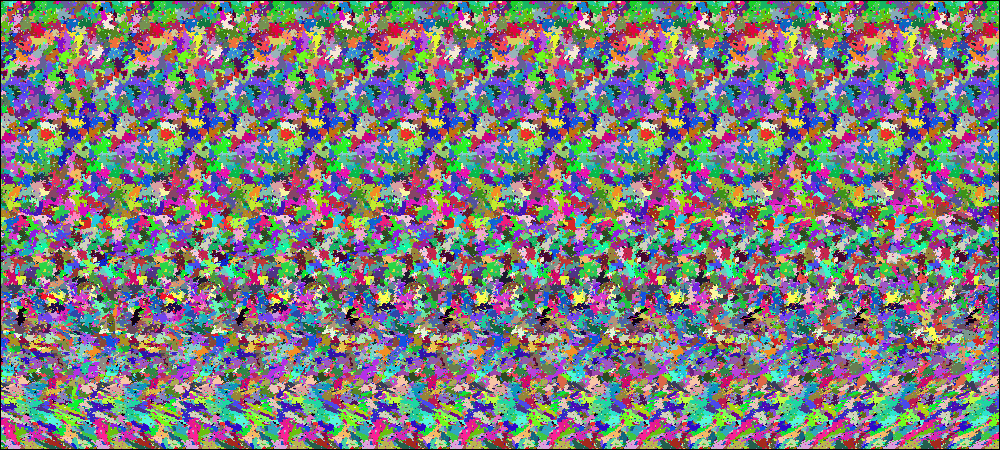
Autoestereograma de una langosta (para ver la imagen oculta podemos desenfocar / relajar los ojos hasta que se acomoden de tal manera que se vea la imagen con profundidad)
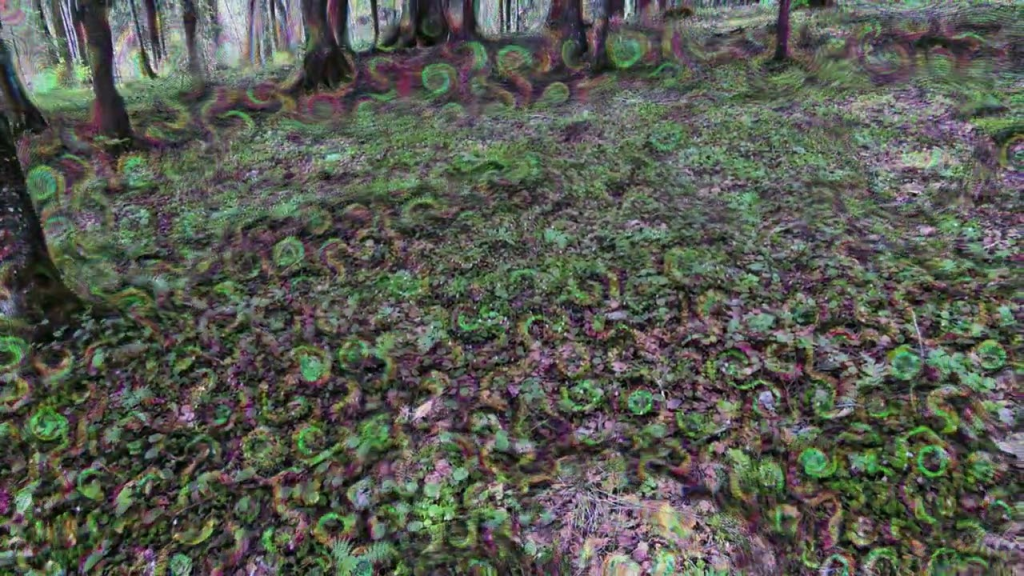
forest synesthesia por symmetric vision
En muchos casos, se llega al punto al que nuestra experiencia deja de ser una representación del mundo que nos rodea y de nuestro «yo» y se convierte en algo más. Podríamos decir que empieza a actuar como un sistema físico ahora más independiente de las entradas que le llegan por medio de los sentidos y de los condicionamientos que usualmente le dan su forma, algo así podemos ver en esta replicación. Existe una muy gran variedad de estados muy extraños en los que experimentamos cosas extremadamente diferentes a nuestras experiencias cotidianas: podemos experimentar espacio sin límites podemos experimentar geometría hiperbólica y así una grandísima cantidad de posibilidades.

Probablemente en la mayoría de los seres humanos, existe la concepción implícita de que observamos el mundo directamente (concepción también conocida como realismo directo de la percepción), de que lo que tenemos en nuestro campo visual (en este instante muy probablemente un dispositivo tecnológico), en nuestra audición, en nuestra propiocepción, etc. Es directamente el dispositivo externo, es el sonido de las voces, es nuestro cuerpo o es cualquier otra cosa que tenga una representación dentro de nuestra experiencia. Sin embargo si lo pensamos bien, el hecho de que nuestras experiencias se puedan alterar de maneras tan extrañas, debería generar mucha confusión frente a esta concepción ¿qué está sucediendo?. Si quisiéramos sostener el realismo directo de la percepción, tendríamos que generar explicaciones muy extrañas y poco plausibles, ¿estamos generando alucinaciones por encima de nuestra percepción directa? ¿pero dónde están estas alucinaciones? ¿las estamos generando solo en el cerebro? ¿pero si es así por qué las vemos afuera? ¿las estamos enviando hacia afuera? ¿pero si es así por qué los demás no las ven?.

Entender lo que estamos experimentando no como una experiencia directa del mundo sino como una representación o simulación de este mismo adentro de nuestros cerebros (el realismo indirecto de la percepción) da una explicación mucho más acorde a la naturaleza de nuestra experiencia y que puede comprender los efectos de estos estados alterados de consciencia de una manera mucho más clara.
Podemos así entender nuestra experiencia como momentos de experiencia en nuestro cerebro, los cuales son sistemas físicos hechos de experiencia, de qualia. Estos sistemas físicos fueron seleccionados durante nuestro proceso evolutivo para tomar una forma que imita al mundo exterior, para tener un sentimiento del yo, para tener qualia proposicionales, para hacer computaciones, para tener colores, sabores, olores, etc. El cuerpo humano toma señales del mundo exterior a través de los sentidos y los convierte en representaciones / simulaciones / «reflejos» albergados en cada momento de experiencia. Podríamos tal vez imaginarlo como si el cerebro «doblase» o alterase el campo de qualia para darle todas esas formas útiles que experimentamos y que concebimos implícitamente (y equivocadamente) como una conexión directa con la realidad externa. En varios estados alterados entonces, este campo toma otras formas menos «dobladas» y más sencillas, o se «dobla» / forma de otras maneras, produciendo experiencias muy diferentes a las usuales.
A la visión de identidad personal que concibe lo que somos como momentos de experiencia, Daniel Kolak la llama individualismo vacío, se diferencia del individualismo cerrado en el hecho de que no concibe de lo que somos como todo el segmento de nuestra vida sino como momentos de experiencia discretos y separados. Podemos ver esta concepción de lo que somos como algo mucho más coherente con la realidad que el individualismo cerrado, ya que podemos interpretar la sensación de unidad de todos los momentos de una vida (y la sensación del paso del tiempo) como una característica estructural de cada uno de estos y no como una realidad ontológica. Según el individualismo vacío, no somos a la vez varios momentos de experiencia sino que somos uno solo «este».

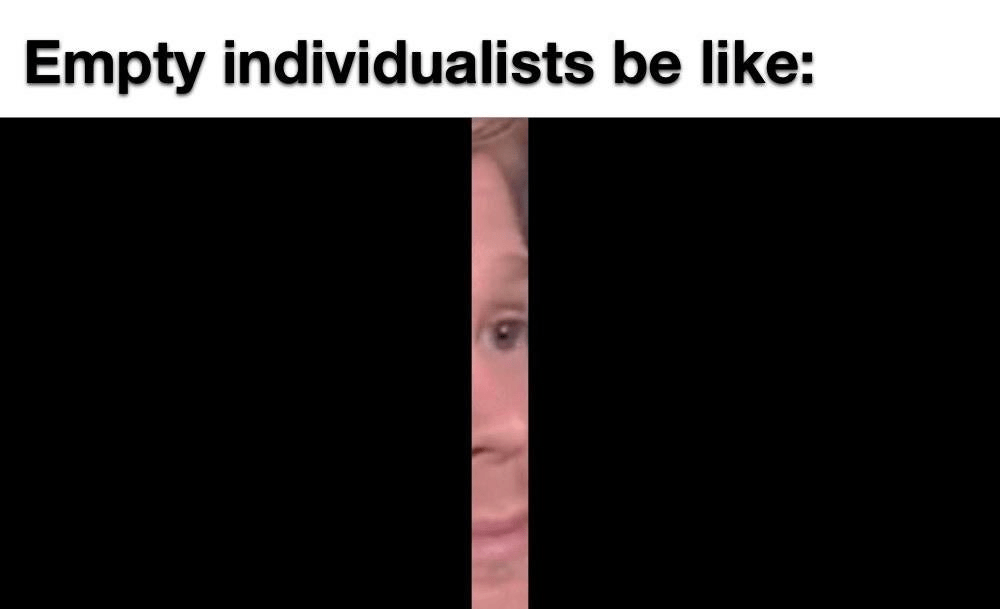
Considerarnos a nosotros mismos como sistemas físicos que son colecciones de momentos de experiencia suele (y podríamos argumentar que debería) tener varios efectos sobre la manera en que actuamos. Por ejemplo sobre nuestra idea del perdón (aunque para esto en realidad se necesita solamente la parte en que somos sistemas físicos), de una manera la persona que cometió el error no es la misma con la que interactuamos después ¿entonces por qué no habríamos de perdonar? (por supuesto esto no quiere decir que no deberíamos poner esfuerzo para que aquellos errores no vuelvan a ocurrir, de hecho hacer esto es tremendamente importante).
También la forma en que muchas veces racionalizamos el dolor de alguien que, por ejemplo tiene una muy mala experiencia con psicodélicos, o cualquier otro tipo de mala experiencia, donde pensamos que esa «persona» se va a beneficiar después, deja de tener sentido, los momentos de experiencia extremadamente horribles que ocurrieron simplemente están ahí, ellos no se benefician ni nunca se beneficiarán.
El tiempo
La idea del individualismo vacío (y las ideas de la identidad personal más generalmente) está muy relacionada con nuestra concepción del tiempo. Existen varias maneras para comprender la naturaleza ontológica de este mismo y estas tienen mucho poder para definir la manera en que concebimos de la realidad y en la que actuamos. Existen dos formas de concebir el tiempo particularmente relevantes, la primera es el presentismo, que va de acuerdo con nuestra idea intuitiva del tiempo, solo existe el pasajero presente, el pasado solo es un recuerdo y el futuro solo existe en nuestras imaginaciones y la segunda es el eternalismo, que dice que el pasado y el futuro son tan reales como el presente, estos en realidad son como «otros lugares» solo que en vez de nosotros estar distanciados de estos solamente a través de 3 dimensiones espaciales, estamos distanciados también por una cuarta: el tiempo. Todos los momentos existen, siempre han existido y siempre existirán.
La argumentación en favor del eternalismo suele darse en base a la relatividad de Einstein, en el pasado se pensaba que existía una especie de metrónomo que le dijera a todo el universo qué momento es. Sin embargo, con la relatividad, descubrimos que diferentes marcos de referencia en el espacio-tiempo tienen diferentes planos de simultaneidad (algo que puede parecer simultáneo desde un marco de referencia, desde una «perspectiva», no lo es desde otro), no existe una línea del presente absoluta, no existe un único presente. Los modelos de la relatividad modelan por esta razón el tiempo y el espacio como un continuo de cuatro dimensiones. Una argumentación más precisa en base a la relatividad a favor del eternalismo es el argumento de Rietdijk–Putnam.
Juntando la idea de individualismo vacío con la del eternalismo, tendríamos entonces una idea del universo donde todos los momentos de experiencia simplemente «están ahí», siempre lo han estado y siempre lo estarán, a la vez estando estos separados. Nuestra noción del paso del tiempo también puede ser entendida desde una perspectiva realista indirecta, podemos entender nuestra sensación de este mismo como una característica estructural de cada momento de experiencia. A esta característica de nuestra representación / simulación del mundo Andrés Gómez Emilsson la llama la pseudo-línea de tiempo y así como con las demás características de esta, puede verse sujeta a alteraciones muy significativas. Por ejemplo, como se explora en el artículo del mismo nombre, podemos experimentar momentos de eternidad, bucles temporales, alteraciones en la sensación de velocidad del mismo, entre otras.
La unidad universal y el individualismo abierto.
La tercera visión sobre la identidad personal descrita por Daniel Kolak es la del individualismo abierto. En esta visión, aproximadamente se concibe del universo como una sola estructura de qualia, la cual se segmenta en algunos puntos generando una ilusión de separación. Cada ser tendría momentos de experiencia que aunque aparentemente son solo propios, comparten la misma esencia universal. Se puede argumentar que, si aceptamos que sí existimos de momento a momento, tendríamos que ser entonces todos los momentos de experiencia del universo, esto debido a que es extremadamente difícil encontrar un cargador propio «solo mío» de la identidad personal que nos distinga de ser a ser (por ejemplo, toda la materia y energía que conforma nuestros cuerpos se esta cambiando constantemente, sin haber en esto algo realmente constante). Así entonces, el verdadero y único portador de identidad, nuestra esencia compartida la compartiríamos con las estrellas, con los electrones, con los animales, con los quarks y con todo lo demás.
Desde la física tampoco hemos encontrado nada que pueda actuar como tal cargador de identidad propio y único. Hasta donde sabemos, los momentos de experiencia que somos ,son simplemente otra instancia de los campos de la física, no algo fundamentalmente diferente a estos mismos, concepción que concuerda con los comportamientos que nuestra experiencia sigue, la cual, como cualquier otro sistema físico, actúa acorde a leyes físicas (por ejemplo tiene comportamiento de ondas no lineales). Si ponemos la suficiente atención podemos notar que esto es el caso para los estados sobrios comunes, aunque esto se tiende a volver mucho más evidente en estados alterados de consciencia (sean estos producidos por meditación, sustancias psicoactivas o cualquier otro medio).

Es más, existen formas de entender la física que más bien concuerdan con esta idea de la unidad universal, un ejemplo es la idea del universo de un único electron postulada por john wheeler, la cual entiende a todo el universo como manifestaciones de una única entidad. Seríamos entonces esa entidad.
Bajo el Individualismo Abierto, ese único electrón eres tú. De cada momento de experiencia al siguiente, puede que hayas experimentado la vida como mil trillones de animales diferentes, haber sido 10^32 partículas macroscópicas entrelazadas y fugaces, y haberte quedado atrapado como un solo electrón no interactivo en el medio intergaláctico durante gugoles de años subjetivos. Por supuesto, no recordarás nada de esto, porque tus recuerdos, y de hecho toda tu arquitectura motivacional y programas de anticipación, están incrustados en el cerebro que estás instanciando en este momento. Desde ese punto de vista, no hay absolutamente ningún rastro de las experiencias que tuviste durante este paréntesis.
La forma de describir la visión de un solo electrón mencionada anteriormente sigue siendo solo una aproximación. Para verlo completamente, también debemos abordar el hecho de que no hay un orden «natural» para todas estas experiencias diferentes. Cada forma de factorizarlo y describir la historia del universo como «esto sucedió antes de que esto sucediera» y «esto, ahora eso» podría ser igualmente inaplicable desde el punto de vista de la realidad fundamental.
Andrés Gómez Emilsson escribiendo sobre el único electron en este artículo.
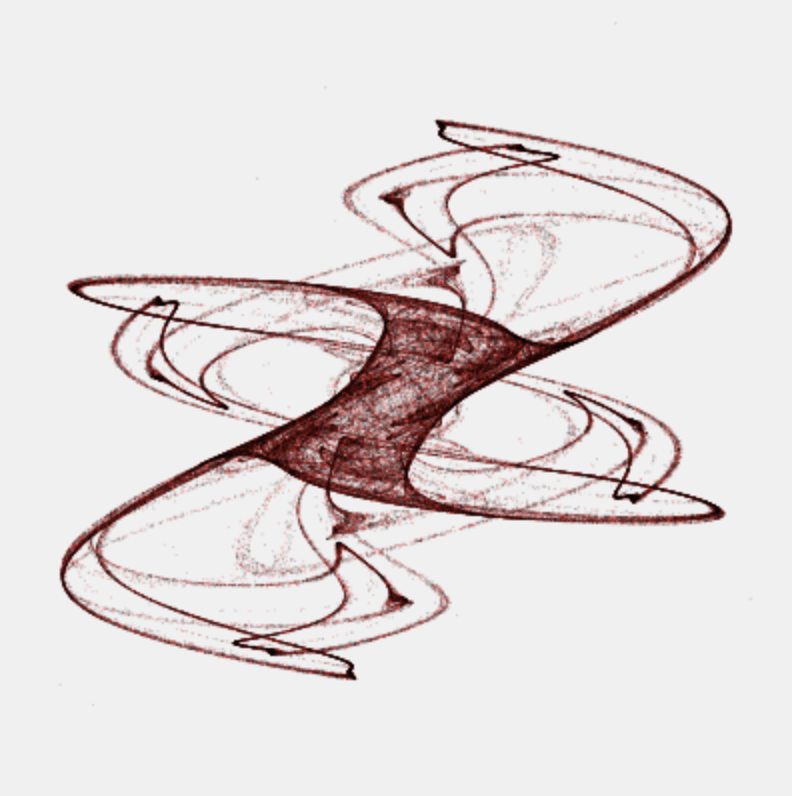
Juntando la idea de la unidad universal con el eternalismo, podríamos entender el universo como una única estructura o campo espacio-temporal que esta compuesta por todos los momentos de experiencia.
La solución al problema de la limitación de la consciencia (the boundary problem of consciousness) (artículo de este tema publicado en frontiers, explicación más informal) propuesta por el qualia research institute, busca entender la manera en que esta estructura, mirándola como un campo, se separa en momentos de experiencia discretos como un resultado de la topología del mismo, de la misma manera que podemos doblar un globo de payaso para formar «mónadas», las cuales siguen siendo parte del mismo globo. El campo universal se separa en mónadas que conforman cada momento de experiencia, mismas que exhiben propiedades holísticas que les otorgan beneficios computacionales (lo cual es un tema que no alcanzamos a abarcar en detalle en este blogpost). Desde esta perspectiva, podemos encontrar una especie de armonía entre las visiones vacía y abierta de la identidad personal, de una manera estamos separados y de otra somos parte de lo mismo.

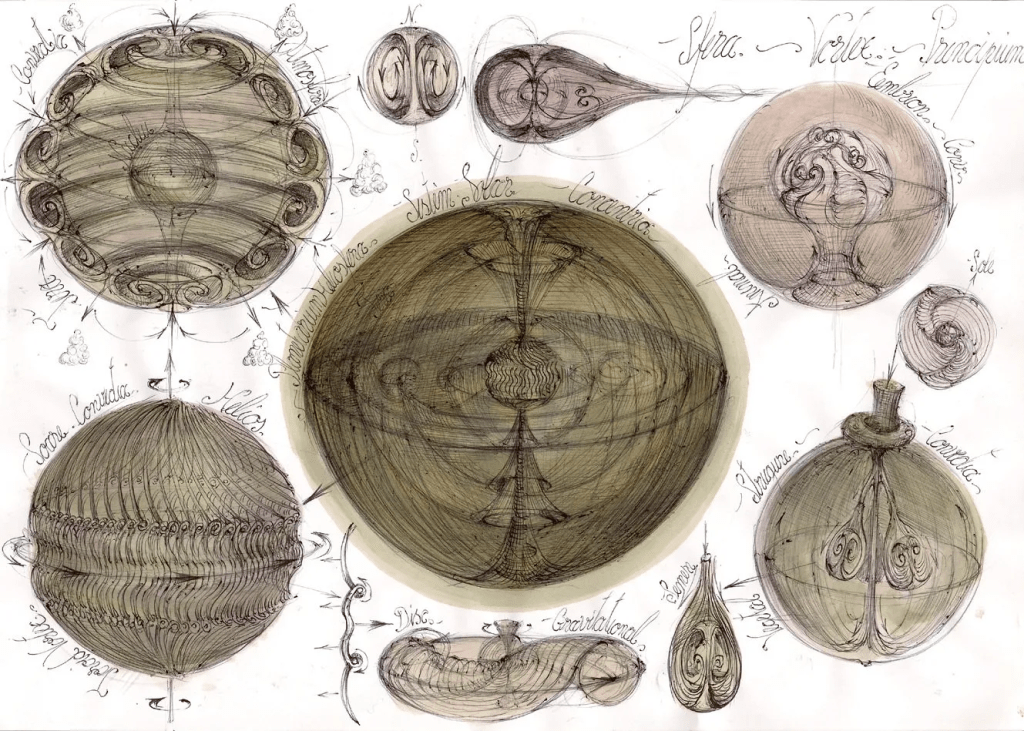

Al pensar sobre el individualismo abierto también nos damos cuenta de que el sufrimiento y su verdadero y en muchos casos inconcebible horror no es algo ajeno a nosotros. En realidad, todo este es de una manera nuestro. Por supuesto lo mismo ocurre con todo el. Este hecho junto a una investigación más detallada sobre la valencia que nos hace pensar sobre sus verdaderas magnitudes, debería motivarnos a actuar.
El individualismo abierto tiene muy probablemente la capacidad de causar un antes y un después en la organización del mundo, el sentimiento de unidad junto a los argumentos filosóficos rigorosos a su favor tienen el potencial de solucionar muchísimo de los problemas de coordinación y otros problemas que aquejan al mundo hoy en día.
Los humanos no somos un «algo fundamental»
Los seres humanos tendemos a representarnos a nosotros mismos como «entidades fundamentales», resultaba mucho más fácil en nuestro pasado que nos representásemos los unos a los otros de esta manera simplificada, en vez de tener una visión más detallada y más acorde a la realidad, A través de nuestra historia han habido varias ideas relacionadas con este tipo de concepción, como la idea del vitalismo, o varias concepciones del alma. Sin embargo si analizamos de una manera más rigurosa lo que conocemos sobre nosotros mismos a través de la ciencia, nos damos cuenta de que el concebir de nosotros mismos como algo fundamental (lo cual suele venir de la mano con el individualismo cerrado) es bastante difícil de sostener. Conocemos que nuestras células son sistemas físicos con una muy gran complejidad y que estas mismas se juntan para formar estructuras emergentes, como los órganos, las cuales sin embargo se siguen rigiendo por las mismas leyes de la física que se aplican en menores escalas (y en mayores).

Neuronas coloreadas artificialmente
Es así que podemos entendernos a nosotros mismos como sistemas extremadamente complejos que adquirieron su forma durante millones de años de selección natural, pero que sin embargo se siguen rigiendo bajo las mismas leyes del resto del universo y que están hechos «de lo mismo» que el resto. Tal vez lo poco comunes que somos y nuestra gran inteligencia nos hace «especiales» de alguna manera, pero en últimas somos simplemente también sistemas físicos, así como las estrellas de neutrones, así como los volcanes, así como los océanos, así como los agujeros negros.
Otra forma interesante desde la que podemos considerar la naturaleza de nuestra existencia es tomando una especie de «perspectiva desde ninguna parte» podríamos imaginarnos mirando el universo, para allí encontrar una pequeña acumulación de materia (el «planeta tierra»), con una temperatura y otras condiciones adecuadas para que los campos de la física se organizaran mediante un proceso de selección natural en sistemas de una grandísima complejidad (la «vida»), algunas organizaciones de estos campos de la física formaron «cerebros» donde generaron momentos de experiencia que actuaron como representaciones / simulaciones de la realidad, en estas representaciones existía un sentido de identificación con el sistema al que dirigían, con el «yo», estos tipos de sistemas (los «seres vivos conscientes») tuvieron una ventaja reproductiva muy grande, dentro de estos mismos, emergió uno con una inteligencia particularmente alta, los «seres humanos» quienes ahora están descubriendo su verdadera naturaleza y la verdadera naturaleza de la realidad.
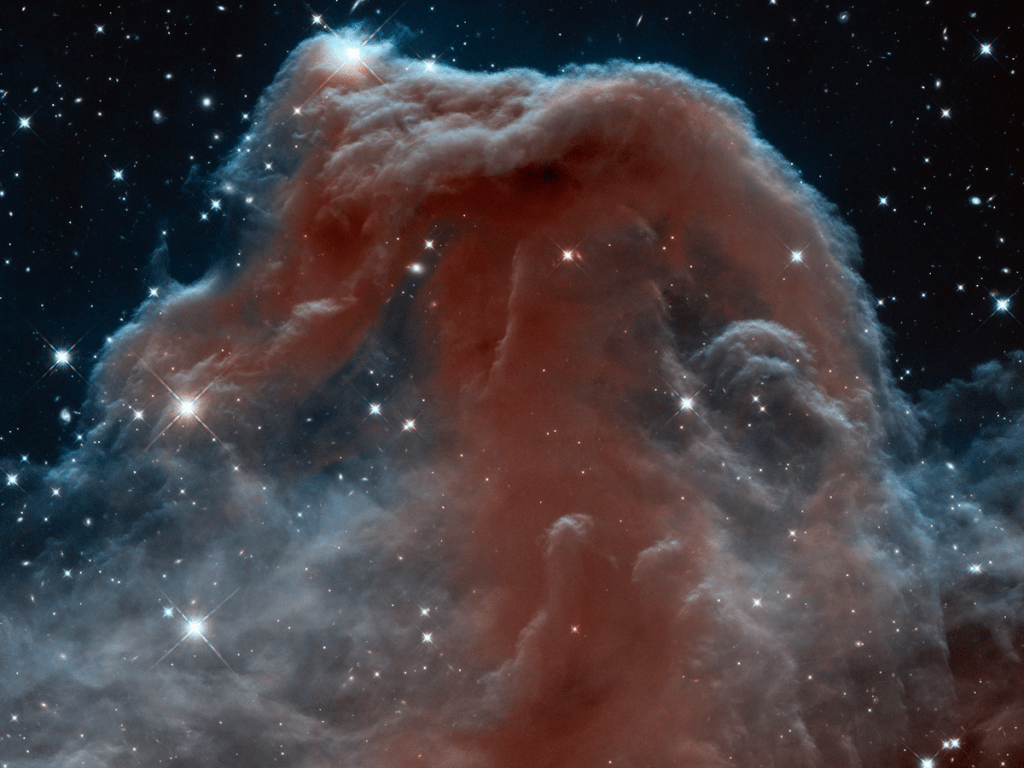
¿Si el universo es un campo de consciencia dónde estarán la mayoría de experiencias?
Por qué importa todo esto
Casi seguramente todos reconocemos, en algún nivel, que el actuar asumiendo cosas equivocadas puede resultar dañino. Si alguien, sin haberlo revisado apropiadamente, solo adivinando, asume equivocadamente que un avión esta en un estado adecuado para volar de una manera segura, para que después este mismo caiga, causando daños a sus pasajeros, la gran mayoría de nosotros aceptaríamos que esto fue un error inaceptable y que es necesario que la manera en que interpretamos el estado del avión siga un método riguroso que nos lleve a la verdad del estado de este mismo.
De la misma manera, tiene muchísimo sentido entender que por lo menos algunos de los errores que podemos cometer sobre la realidad de lo que somos y lo que es la existencia, pueden también terminar en resultados muy graves.
El individualismo cerrado, causa en muchos casos, que, dejándonos llevar por lo que aparenta nuestra experiencia, actuemos de maneras egoístas, que producen que dejemos de lado el sufrimiento «ajeno», dejando que este siga ocurriendo o incluso causándolo. Tomando una perspectiva individualista abierta o vacía (o una armonía entre las dos, o una armonía juntando también aspectos del individualismo cerrado), vemos la realidad de los momentos de experiencia ajenos, de nuestra conexión con estos y de tanto su sufrimiento como de su placer bajo otro lente. También nos da un nuevo sentido de urgencia.
«Mi alegría es tu alegría y mi sufrimiento es tu sufrimiento»
«Has con los demás lo que quieres que hagan contigo»
Podemos descubrir nuevas perspectivas, estructuras y formas de mirar estas frases.
La distinción que realizamos subconscientemente entre el yo y el otro, después de considerar el individualismo abierto se suele ver cambiada «vemos el alma detrás» de una nueva manera. Ahora emerge la intención de colaboración.
Viéndolo de nuevo desde una especie de perspectiva de ninguna parte, podríamos notar cómo lo que está sucediendo en realidad es que en algunas de estas secciones del universo que actúan como representaciones del resto de este mismo, existen concepciones implícitas que no tienen bases en algo real y que causan efectos dañinos. Sin embargo ahora progresivamente estas secciones del universo (nosotros) se están empezando a dar cuenta de la falta de base para estas mismas, para así dejarlas disolver y dejar que aquello que a través de una buena epistemología conocen sobre la naturaleza de la realidad construya representaciones más adecuadas y más beneficiosas para todos. ¿Qué lograran con algo tan bonito? ¿Sociedades animadas por gradientes de gozo? ¿El alivio del sufrimiento intenso de tantos seres que por ahora permanecen ignorados? ¿Experiencias órdenes y órdenes de magnitud más puras, más bellas y más intensas que cualquier cosa experimentada en la tierra de principios del siglo XXI? ¿Qué podría llegar a significar el amor? ¿Exploraciones ricas y bellas de las posibilidades en la consciencia que harían parecer la psicodelia de este mismo siglo simples motas?.
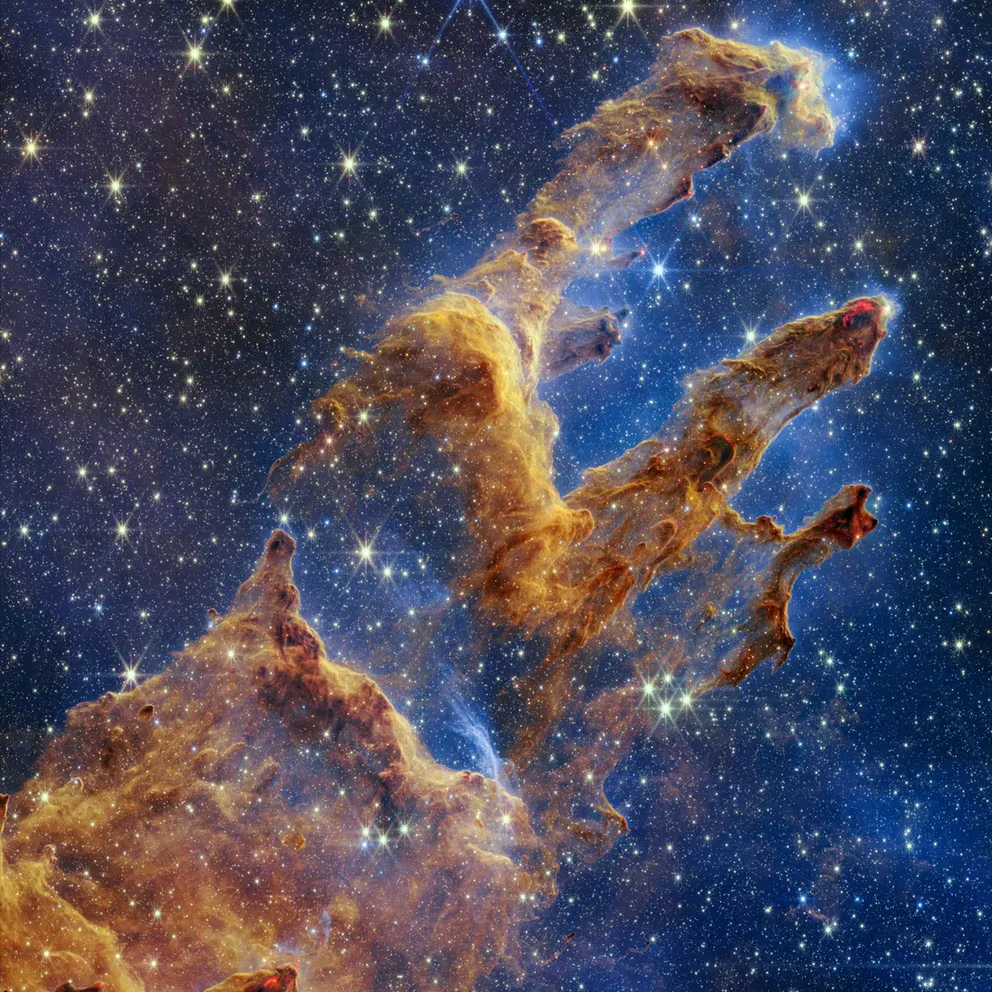
La «zona ricitos de oro» de la identidad personal.
Ella te señala los símbolos colgados en las paredes. «Los primeros tres símbolos de allí representan cada una de estas visiones. El que tiene un anillo de plantas y tantos ojos como líneas individuales representa el Individualismo Cerrado. Cada ser tiene un tamaño, forma y tiempo de vida diferentes. Como los árboles, las identidades son desordenadas y complicadas; cada una con su propia narrativa única y temporalmente extendida. El símbolo con un gran ojo en el centro y un arcoíris representa el Individualismo Abierto. Es la consciencia de «Todo Es Uno», que tiene un sabor de arcoíris de espectro completo. Y el de la derecha es el Individualismo Vacío. Cada momento de experiencia es su propia mónada infranqueable, separada de todas las demás mónadas por el fuego fundamental de la diferenciación».
Andrés Gómez Emilsson en Burning Man Theme-Camps of the Year 2029: From Replicator to Rainbow God (2/2)

Cada visión de la identidad personal tiene ventajas y desventajas. El Individualismo Abierto viene con una solución al miedo a la muerte, pero también puede dar lugar a una especie de solipsismo cósmico. El Individualismo Cerrado nos hace sentir fundamentalmente especiales, pero también desconectados del universo y fundamentalmente incomprendidos por los demás. El Individualismo Vacío es filosóficamente satisfactorio, pero puede venir con una sensación de falta de agencia y el temor de ser una rebanada de tiempo atrapada en un lugar negativo. La zona ricitos de oro de la identidad personal nos permite ver el universo como una superposición hecha de lógica paraconsistente de las tres visiones. (definición tomada y cambiada ligeramente del glosario del qualia research institute).
Con este tipo de visión podemos tomar a la vez las diferentes perspectivas que nos ofrece cada visión de la identidad personal. Podemos utilizar el mirarnos como «la persona que somos» para construirnos y tratarnos de una linda manera, un tipo particular de cooperación. Podemos tomar la perspectiva del individualismo vacío para tener una perspectiva seria y adecuada sobre los momentos más desafortunados y para entender lo que está presente en nuestra experiencia. Podemos tomar los beneficios de cooperación del individualismo abierto así como su visión sobre el altruismo. Tal vez aquello que yace en la naturaleza más profunda de la realidad de una manera, no es únicamente una de estas opciones.Todo esto en últimas para dar una parte de la respuesta a las preguntas ¿qué es lo que realmente está pasando? ¿qué es lo que existe? ¿qué es lo que realmente importa?.
-
La forma en que la mayoría de los humanos clasifican lo que importa generalmente no sigue lo que realmente lo hace. Nuestra programación predeterminada está optimizada para rastrear cosas que nos ayudaron a reproducirnos y sobrevivir en nuestro paisaje ancestral y para «pintarlas» de manera que estas se sintieran como si estas fueran las cosas que realmente nos importasen. También tienden a sentirse como si estuviéramos en contacto directo con la cosa externa y su esencia. Todo esto en realidad no es cierto, nuestras experiencias de las cosas son en realidad representaciones internas isomórficas a lo que está fuera nuestro. Cada vez que ves algo fuera de ti, la luz que refleja llega a tu retina, lo que activa tu nervio óptico, que envía señales a tu cerebro donde se hace una representación que es lo que en realidad estás experimentando. Lo mismo ocurre con todas las demás sensaciones del «mundo exterior». Muchas personas dirían si se les pregunta, que esto es obvio, pero muchas veces no lo entienden realmente, o no llevan esta línea de razonamiento lo suficientemente lejos como para que empiece a afectar la forma en que actúan, o la siguen solo parcialmente de maneras que los llevan a concluir que nada realmente importa, actuando así también de manera irresponsable.

Nuestro cerebro hace una representación/simulación de la realidad, eso es en lo que «vivimos»/somos, de cartoon epistemology.
Las cosas (o mejor dicho, las experiencias) fuera del bolsillo que somos sí importan, y mucho. De la misma manera que las partículas pueden tener cargas o la materia tiene diferentes temperaturas, cada experiencia tiene una característica que hace que se sienta bien, mal o de una manera neutral, esa característica es la valencia, la valencia es lo que construye el eje placer-dolor. El hermoso olor de las fresas generalmente tiene una valencia positiva, lo mismo que la alegría, mientras que el dolor o el temor existencial generalmente tienen una valencia negativa. Aunque alguien podría decir que la experiencia de ver, por ejemplo, como sucede un evento particular es subjetiva y puede ser diferente dependiendo de a quien se le pregunte, o la experiencia de escuchar la misma canción, o ver el mismo objeto puede ser mejor o peor para diferentes personas, haciendo así que el valor sea relativo, yo argumentaría que esa conclusión es solo el resultado de intentar medir el valor de manera incorrecta. El valor en realidad reside en las experiencias, tu representación del holocausto muy probablemente tiene un tono negativo, mientras que la de alguien que lo apoyó puede tener uno positivo, pero esas opiniones no cambian las experiencias de quienes lo vivieron, su sufrimiento sigue siendo malo. También podemos notar que lo que hace que diferentes representaciones del mismo fenómeno se sientan de mejor o peor manera es la estructura de esas experiencias, y así, si una canción te pareció hermosa un día y al siguiente horrible, esto en realidad es causado por diferencias en las formas y estructuras de estas representaciones (probablemente lo que determina qué tan buenas o malas son esas estructuras son sus niveles de consonancia y disonancia). La valencia es real, las experiencias horribles son realmente, verdaderamente horribles y las hermosas son realmente hermosas. Esto se hace evidente para quien se ha roto una pierna, para quien sufre de dolor crónico, o para quien está teniendo una experiencia increíblemente intensa y llena de amor con MDMA. Otra forma en la que puedes pensar sobre esto es dándote cuenta de que tu momento de experiencia actual es «lo que es» y se siente tan bien, mal o neutral como se sienta, independiente de las opiniones que alguien más pueda tener sobre este, lo mismo aplica para todos los demás momentos de experiencia del universo.
Creo que deberíamos actuar con extrema responsabilidad hacia esos momentos de experiencia con valencia tan intensa, el que no nos importe tiende a doler después, mucho. La mayoría de las personas reconocerán que conducir borracho es bastante tonto e irresponsable, lo mismo que enfrentarse a un ladrón con un cuchillo cuando no tienes uno, pero creo que deberíamos aplicar ese cuidado y seriedad sobria hacia muchas otras cosas, tomando también en consideración el hecho de que las peores y mejores experiencias tienen exponencialmente más valor que las cosas que usualmente experimentamos, como Andrés Gómez Emilsson escribe en Logarithmic Scales of Pleasure and Pain: Rating, Ranking, and Comparing Peak Experiences Suggest the Existence of Long Tails for Bliss and Suffering.
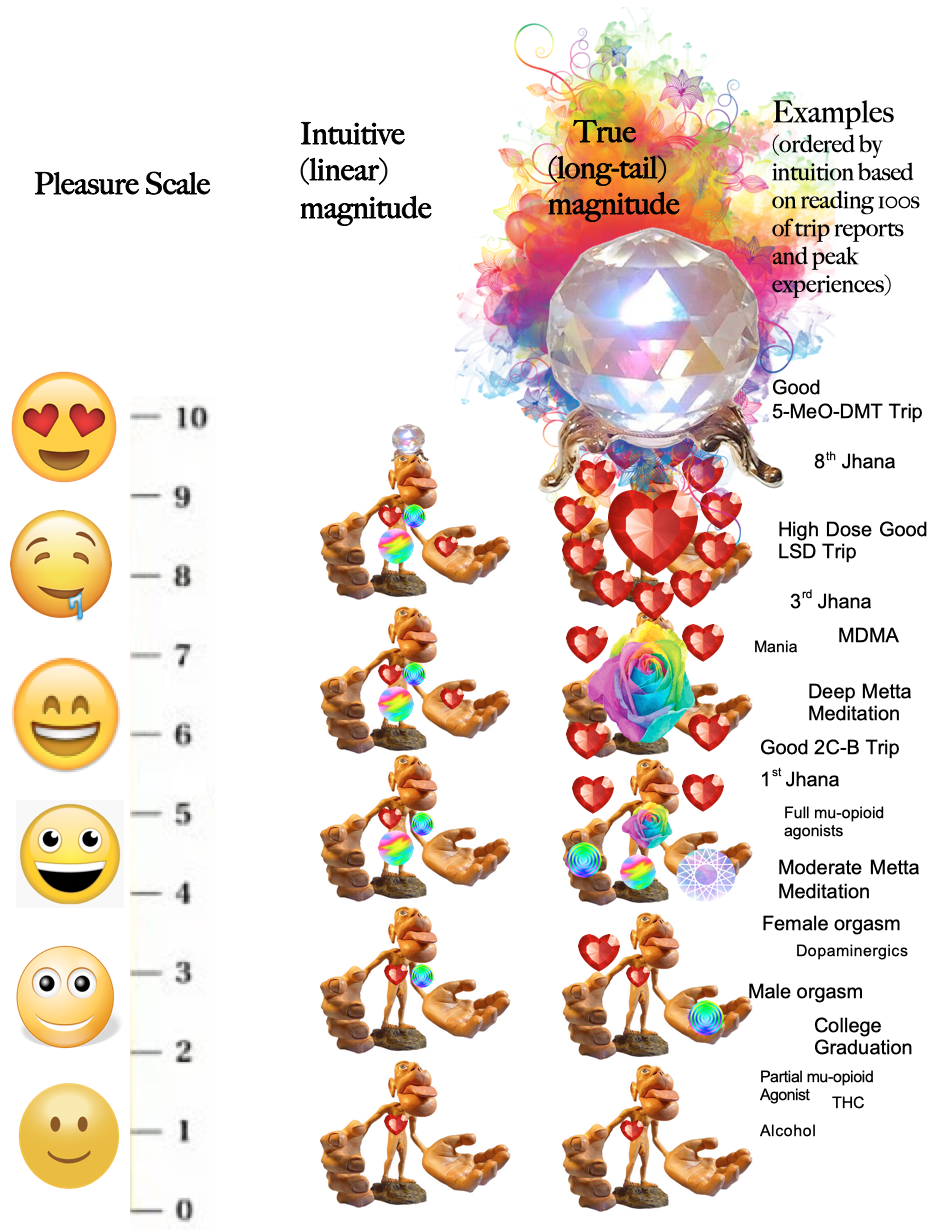
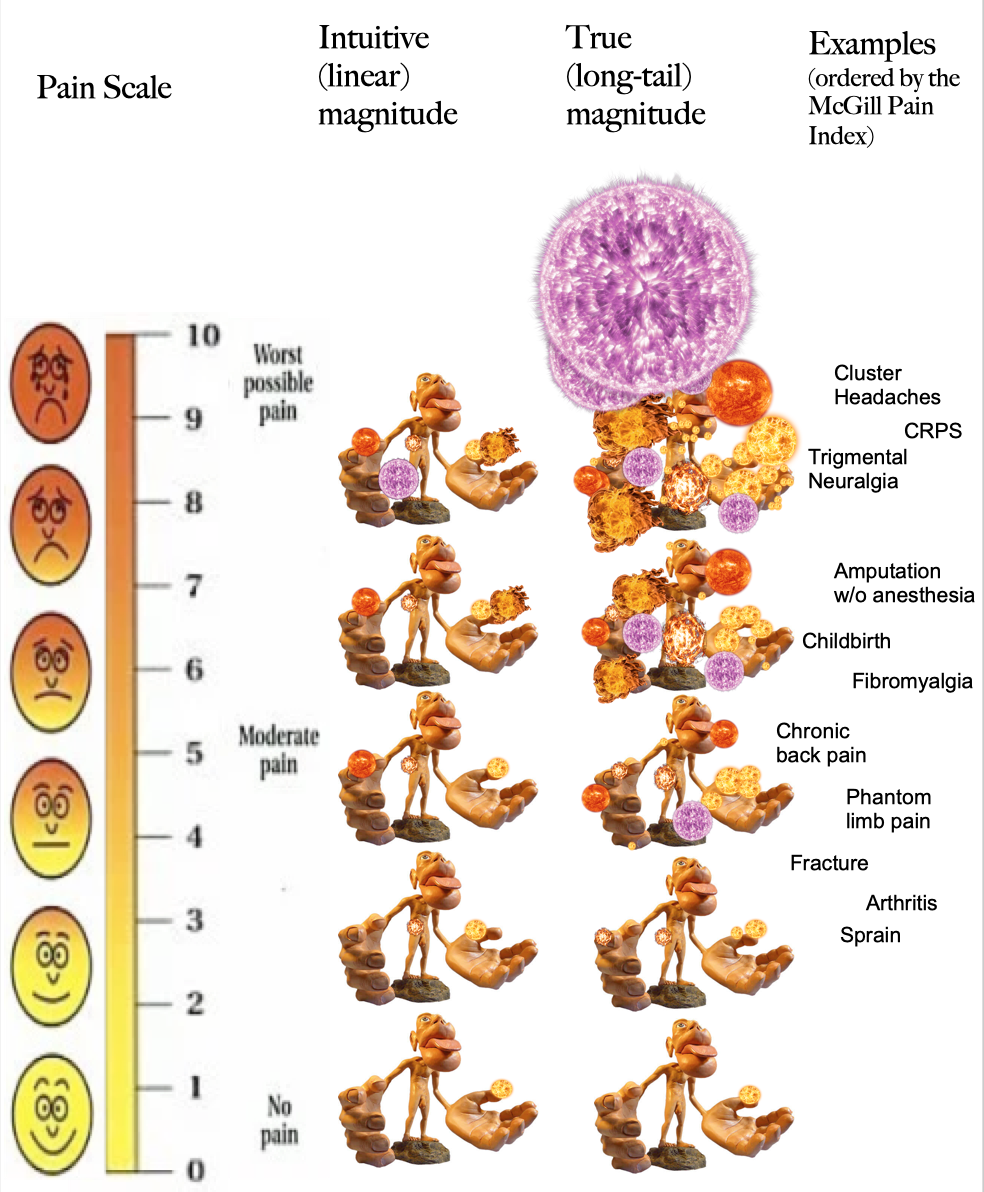
Aunque podamos imaginar que las experiencias crecen en intensidad linealmente, hay muchas razones para creer que en realidad lo hacen exponencialmente.
Para alguien que vivió hace 20,000 años, muchas cosas que nos importan hoy, digamos nuestras calificaciones en la escuela o las interacciones a través de las redes sociales, probablemente serían extremadamente extrañas e inesperadas. Yo diría que, después de tomar una mirada sobria y seria en la naturaleza real del valor y dejar que eso actualice honestamente las cosas que priorizamos y las formas en que actuamos, también terminamos con una forma bastante diferente de ver el mundo y sobre lo que deberíamos hacer, la cual puede ser bastante inesperada. Ahora comenzamos a pasar mucho tiempo tratando de encontrar formas de abortar cefaleas en racimos, maneras de tratar mejor el dolor crónico, o comenzamos a ver las cosas increíble y extremadamente horribles que suceden en la industria ganadera a través de una perspectiva diferente a la humana usual en el que solo parece algo lejano que está, mediante alguna lógica dudosa, justificado, incluso comenzamos a dudar de las formas en las que deberíamos actuar ante la existencia del sufrimiento de los animales salvajes, y comenzamos a preocuparnos mucho más por intentar que nuestro futuro vaya en buenas direcciones, entre muchas otras cosas.
Imagina que hubiera alguien que tuviera un botón que activara una máquina que le cortaría el dedo 10 minutos después de presionarlo, pero tuviera un poco de diversión al presionarlo y eligiera hacerlo voluntariamente, claramente no muy inteligente, ¿quién en su sano juicio lo presionaría? Yo argumentaría, sin embargo, que esta categoría de problemas también incluye los tipos de cosas mencionadas anteriormente, la gente toma decisiones basadas en sus deseos inmediatos y no considera el efecto que eso puede tener en otros lugares/momentos.
Una perspectiva importante para agregar a esto es de la identidad personal. ¿Cómo podemos estar tan seguros de que somos un ser separado e independiente que sobrevive a través del tiempo? ¿qué es lo que cargaría nuestra identidad a través del tiempo? ¿nuestros recuerdos? no son agujeros de gusano hacia el pasado, solo son formas que toma nuestro cerebro que hacen que representaciones de cosas que nos han sucedido reaparezcan en nuestra experiencia, además, si alguien tuviera los mismos recuerdos, ¿serían automáticamente la misma entidad que tú en otro lugar? ¿por qué? si perdieras tus recuerdos, ¿de repente te convertirías en una entidad diferente?, los recuerdos no son entidades fundamentales, solo son estructuras particulares que toma nuestro cerebro, nuestros átomos también están cambiando todo el tiempo, lo mismo ocurre con la forma de nuestro cuerpo (que como decía, no es fundamental, dos cuadrados con el mismo ancho y longitud no son el mismo cuadrado solo porque su forma sea compartida), yo argumentaría que no es posible encontrar tal portador constante «solo tuyo» de identidad, y que si estamos dispuestos a aceptar que lo que somos sobrevive con el tiempo, tendríamos que también aceptar que ese portador de identidad es el mismo para todos los seres, tus átomos alguna vez estuvieron dentro de una estrella y alguna vez pudieron haber pertenecido a otro animal, no hay nada que haga lo que te conforma «solo tuyo» y separado de lo demás, también está la perspectiva que ve al universo como un campo único, que tiene muchos segmentos como el que somos, entre muchos otros argumentos que no mencionaré aquí. Deberíamos considerar seriamente la idea de que en el fondo somos solo un ser, o al menos que no somos realmente individuos de la manera que usualmente asumimos que somos, aunque estas visiones inusuales sobre la identidad personal puedan parecer solo cosas esotéricas que la gente ve revelada en psicodélicos y no algo proveniente de un entendimiento científico y sobrio, la idea del individualismo abierto «todos somos uno» ha sido defendida y considerada por muchos pensadores famosos cuyo pensamiento usualmente no consideramos solo tonterías (por supuesto esto no es necesariamente un argumento para darle credibilidad inmediatamente pero vale la pena mencionarlo), como Arthur Schopenhauer, Erwin Schrödinger y Freeman Dyson entre muchos otros, y creo que después de pensar profundamente sobre el tema, encaja muy bien en una forma científica racionalista de ver la realidad.
Se puede argumentar que el sufrimiento de un cerdo en un matadero, o de alguien teniendo una cefalea en racimos es en realidad el nuestro, entonces ¿por qué hacernos/dejarnos dejar sufrir? ¿por qué no deberíamos actuar con la misma responsabilidad que ya damos a muchas cosas, para evitar que les pasen cosas malas a seres que probablemente son diferentes de nosotros de una manera ilusoria?. Además, incluso ignorando esta visión, puedes notar que todas las experiencias son igualmente reales y en última instancia solo expresiones del mismo universo, creo que es extremadamente difícil encontrar una razón por la cual tu experiencia de alguna manera sería más importante que el resto solo por ser tuya.
No deberíamos permitir que sigan ocurriendo cosas horribles, deberíamos actuar para reducirlas tanto como sea posible, y salvarnos.
-
The way most humans classify what matters usually doesn’t follow what actually does. Our default programming is optimized to track things which helped us reproduce and survive in our ancestral landscape and to «paint them» so that they felt as if they mattered, as if they were the things we actually cared about. They also tend to feel as if we were contacting the actual external thing and its essence. All of this actually isn’t true, our experiences of things are actually internal representations isomorphic to the stuff outside of us. Whenever you see something outside of you, the light it reflects hits your retina, which activates your optic nerve, which sends signals to your brain where a representation is made which is actually what you are experiencing. The same for all other sensations of the «external world». A lot of people say, when asked, that this is obvious, but at many times they don’t necessarily actually get it, or they don’t take that line of reasoning far enough so that it starts affecting the way they act, or they follow it only partially in ways which make them conclude that nothing actually matters, thus also acting in irresponsible ways.
Our brain makes a representation/simulation of reality, thats what we «live» in/are, from cartoon epistemology.
Things (or rather should I say experiences) in the outside of the pocket we are do matter though, a lot. The same way that particles may have charges or matter has different temperatures, I would argue that each experience has a characteristic that makes it feel good, bad or neutral, that characteristic is valence, valence is what builds the pleasure pain-axis. The beautiful smell of strawberries usually has a high valence, the same for joy, while grief or existential dread usually have negative valence, even though someone may say that the experience of seeing, for instance, a particular event happening is subjective and can be different depending on who you ask, or the experience of listening to the same song, or seeing the same object may be better or worse for different persons, making value thus relative, I would argue that that conclusion is just a result of trying to measure value in the wrong way. Value actually lies on experiences, your representation of the holocaust most likely have a negative tone, while the one of someone who supported it may have a positive one, but those opinions don’t change the experiences of those who lived through it, their suffering is still bad. Also we can notice that what makes different representations of the same phenomenon be felt in better or worse ways is the structure of those experiences, and so, if you found a song beautiful one day and a the next one horrible, that actually is caused by the representation of it having different shapes and structures (probably what determines how good or bad those structures are is their levels of consonance and dissonance). Valence is real, horrible experiences are actually, truly horrible and beautiful ones are actually beautiful. This becomes clear to whoever has broken their leg, or to whoever suffers from chronic pain, or to whoever is having an incredible and almost unbelievably intensely love filled experience on MDMA. Another way you could think about this is by noticing that your current moment of experience is «what it is», and is as good, bad or neutral as it is, independent of whatever opinions someone else might hold about it, the same applies for all other moments of experience.
I think we should act extremely responsibly towards those heavily valenced moments of experience, not caring tends to hurt later, a lot. Most people will recognize that driving drunk is really dumb and irresponsible, the same for fighting against a mugger who has a knife when you don’t, but I think we should apply that sober seriousness and carefulness towards many other things, also taking into consideration the fact that the worst and best things have exponentially more (dis)value than the things we usually experience, as Andrés Gómez Emilsson writes in Logarithmic Scales of Pleasure and Pain: Rating, Ranking, and Comparing Peak Experiences Suggest the Existence of Long Tails for Bliss and Suffering.
Fven though we may imagine experiences experiences grow in intensity linearly, there are many reasons to believe that they actually do so exponentially.
For someone living 20,000 years ago, many things we care about today, say our grades at school or interactions through social media, would probably be extremely alien and unexpected. I would argue that after taking a sober and serious look into the actual nature of value and letting that honestly update the things we prioritize and ways in which we act, one also ends up with a pretty different way of looking at the world and about what one should do, which can be pretty unexpected. Now one starts to spend a lot of time trying to find ways in which to abort cluster headaches, ways in which to better treat chronic pain, or one starts seeing the incredibly and extremely horrible things that happen in factory farming through a lens different from the usual human one in which it just looks like something far away that is through some sketchy logic, justified, we even start doubting the ways in which we should act upon the existence of wild animal suffering, and we start to care a lot more about trying to make our future go in good ways, amongst many other things.
Imagine there was someone who had a button which activated a machine that would cut his finger 10 minutes after pressing it but they had a tiny bit of fun while pressing it and they willingly chose to press it, clearly not very smart, who in their right mind would press that? I would argue though that this category of problems also includes the type of things mentioned above, people take decisions based on their immediate desires and not considering the effect that may have on other places/moments.
An important view to add into this is the lens from personal identity. How can we be so sure that we are an separate and independent self that survives over time? what is that which would carry our identity over time? our memories? they are not wormholes into the past, only shapes our brain takes which make representations of things that have happened to us reappear in our experience, plus if someone had the same memories would they automatically be the same entity as you somewhere else? why? if you lost your memories would you suddenly become a different entity? memories aren’t fundamental entities, they are just particular structures in our brain, our atoms are also changing all the time, the same for the shapes of our brain/body (which, as I said, aren’t actually fundamental, two squares with the same width and height aren’t the same entity despite sharing their shape), I would argue that it is not possible to find such a constant «only yours» carrier of identity, and that if we are willing to accept that what we are survives over time, we’d have to also accept that that carrier of identity is the same for all beings, (your atoms once were inside of a star and once may have belonged to another animal, the same for everything that forms you), also there’s the view that sees the universe as one field, which has many segments like the one we are, amongst many other arguments that I won’t mention here. Arguably we should seriously consider the idea that we are actually deep down only one being, or at least that we aren’t actually individuals in the way we usually assume we are, although this unusual views over personal identity may seem like just esoteric stuff that you see revealed on psychedelics and not something out of a scientific, sober understanding, the view of open individualism «we are all one» has been defended by many famous thinkers whose thinking we wouldn’t consider just woo (off course this isn’t necessarily an argument to immediately give it credibility but it’s worth noting), like Arthur Schopenhauer, Erwin Schrödinger and Freeman Dyson amongst many others, and I think that after deeply thinking about the subject, it fits very well into a scientific rationalistic way of looking at reality.
It can be argued that the suffering of a pig in a slaughterhouse, or of someone having a cluster headache is actually our own, so why make/let ourselves suffer? why shouldn’t we act with the same responsibility we already give many things, to avoid bad stuff happening to beings that probably are only illusorily different from us?. Also, even ignoring this view you can notice that all experiences are equally real and ultimately just expressions of the same universe, I think it’s extremely hard to find a reason why your experience would somehow be more important than the rest just because of it being yours.
I’d say that we should not let horrible stuff keep happening, we should act to reduce it as much as it is possible, and save ourselves.
 Compassionate Cosmos